Connecticut marijuana laws have seen a dramatic shift in recent years, evolving to reflect national trends in cannabis reform and adult-use legalization. With recreational marijuana now legal for adults aged 21 and older, and a well-established medical program still active, it’s essential for residents and visitors to understand the legal landscape. Whether you’re shopping for edibles in New Haven, seeking high-CBD tinctures for medical relief, or planning a cannabis-friendly trip to Hartford, this comprehensive guide helps you navigate Connecticut’s cannabis scene legally and responsibly.
Connecticut Marijuana Laws: Recreational Cannabis Legalization
On July 1, 2021, Connecticut legalized recreational cannabis use for adults 21 and older, under the landmark Responsible and Equitable Regulation of Adult-Use Cannabis Act (RERACA). As part of this new legal framework, adults can possess, consume, and purchase cannabis through licensed dispensaries. Retail sales officially began on January 10, 2023, marking a pivotal moment under Connecticut marijuana laws and paving the way for safer, regulated access.
Here are the current personal use limits:
- Possession: Adults 21+ may carry up to 1.5 ounces of cannabis flower (or equivalent product) on their person, and store up to 5 ounces in a locked container at home or in their vehicle’s trunk or glove box.
- Purchasing: Each standard transaction at a dispensary is capped at ¼ ounce of flower (about 7 grams), though this may increase as the market evolves.
- Consumption: Public consumption remains prohibited. Use is allowed in private residences and, potentially, in future designated cannabis lounges.
Local municipalities have the authority to regulate or restrict dispensaries. While cities like New Haven, Stamford, and Hartford permit retail cannabis sales, several towns chose to prohibit it. Always verify local ordinances before purchasing or consuming cannabis.
Medical Marijuana in Connecticut: Key Guidelines for Patients
Connecticut’s medical marijuana program, which began in 2012, remains fully operational and offers significant benefits for registered patients. As of 2024, eligible conditions include PTSD, chronic pain, epilepsy, cancer, and more. The state maintains an official list of qualifying conditions for both adult and pediatric patients on the Department of Consumer Protection (DCP) website.
Key differences for medical users under Connecticut marijuana laws include:
- Tax exemption: Medical cannabis is not subject to the more than 20% in cumulative taxes imposed on adult-use products.
- Higher possession limits: Patients may possess up to 5 ounces of cannabis flower or equivalent monthly.
- Stronger and broader product selection: Medical dispensaries provide potent options such as high-dose edibles, tinctures, and concentrates designed for therapeutic use.
Medical cannabis cardholders can access exclusive lines and menus at hybrid dispensaries. Notable locations include Fine Fettle in Willimantic, The Botanist in Montville, and Still River Wellness in Torrington.
Where to Buy Legal Cannabis in Connecticut
The Connecticut cannabis industry is still growing, with around 20 hybrid dispensaries operating as of early 2024. These businesses cater to both medical and adult-use customers. Dispensaries like Zen Leaf in Meriden and Affinity in New Haven offer diverse menus featuring flower, pre-rolls, vape cartridges, concentrates, edibles, and topicals. Many products are sourced from in-state producers such as Theraplant, CTPharma, and Advanced Grow Labs.
Adults do not need a medical card to shop recreationally but must present a valid, government-issued photo ID showing they are 21 or older. Avoid purchasing cannabis outside the regulated system — “gray market” events remain illegal and are subject to enforcement actions.
Popular cannabis strains available in Connecticut include:
- Gelato #33: A flavorful hybrid strain with euphoric and calming effects — ideal for social settings or winding down after work.
- GMO (Garlic Cookies): Noted for its pungent aroma and full-body relaxation, preferred by medical users for pain relief.
- Wedding Cake: A balanced hybrid rich in caryophyllene and limonene, offering a sweet taste with anxiety-reducing benefits.
Approved Cannabis Product Types in Connecticut
Connecticut marijuana laws allow various product formats, supporting consumer preferences and accessibility. While smokable flower remains popular, many smokeless options appeal to health-conscious or discreet users.
- Flower and Pre-rolls: Sold by weight (e.g., gram, 3.5g), flower is available in multiple strains and potencies tailored to different effects.
- Vape Cartridges: Easy to use and discreet, vapes contain concentrated THC or CBD oils and deliver rapid effects.
- Edibles: Including gummies, chocolates, and drinks. Each serving typically contains 5mg THC. Start with low doses and wait 90 minutes before consuming more.
- Tinctures: Sublingual drops that offer controlled dosing and rapid absorption, especially effective for medical users needing fast symptom relief.
- Topicals: Non-psychoactive creams and balms targeting inflammation or muscle pain. Often enhanced with CBD, CBG, or essential oils.
Dosing Tip: Start small, especially with edibles — 1–2mg of THC is ideal for beginners. Strains like Cannatonic and Harlequin offer balanced THC:CBD ratios for milder effects suitable for daytime use.
Home Growing and Gifting Under Connecticut Marijuana Laws
Connecticut permits home cannabis cultivation under specific conditions:
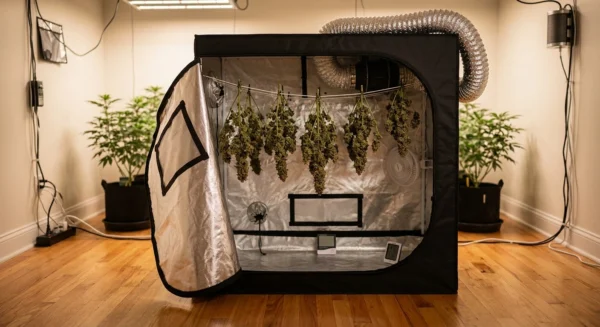
- Medical patients: Since October 1, 2021, registered patients aged 18+ are allowed to grow up to three mature and three immature plants, totaling 12 per household.
- All adults: As of July 1, 2023, all adults 21+ can legally cultivate the same number of plants. Plants must be kept indoors, away from public view, and in a secure location.
“Gifting” cannabis is legal within limits — adults can share cannabis as long as there is no exchange of money or goods. However, authorities have cracked down on illegal events that disguise sales as gifts. Stay compliant by avoiding sales without licensure and adhering to possession laws.
Driving and Cannabis Use: What You Need to Know
Driving under the influence of cannabis is strictly prohibited in Connecticut. Law enforcement now employs Drug Recognition Experts (DREs) and field sobriety tests to assess impairment. THC levels in the bloodstream are not conclusive evidence of intoxication, so officer observations carry significant legal weight.
Always store cannabis products in the vehicle’s trunk or a locked glove compartment. Never consume cannabis while driving, nor allow open containers in a moving vehicle — it’s illegal even for passengers. For those under 21, there is zero tolerance, and violations can lead to license suspension, fines, or jail.
Responsible Cannabis Consumption in Connecticut: Best Practices
Understanding and respecting Connecticut marijuana laws ensures a safe, enjoyable experience. Follow these expert tips to stay within legal bounds and maximize your cannabis journey:
- Read labels: Check THC levels, serving size, and terpene profiles like limonene (uplifting) or myrcene (sedating) to match your desired effects.
- Plan ahead: Do not drive after consumption. Use ride-share services or designated drivers if needed.
- Avoid crossing state borders with cannabis: Even if neighboring states have recreational markets, transporting cannabis across state lines violates federal law.
- Store cannabis securely: Keep products away from children and pets, using childproof containers and cool, dark storage areas.
Connecticut marijuana laws aim to create an equitable and safe cannabis market for both medical patients and adult users. By staying informed and responsible, you can fully enjoy the benefits of legalization without legal complications.