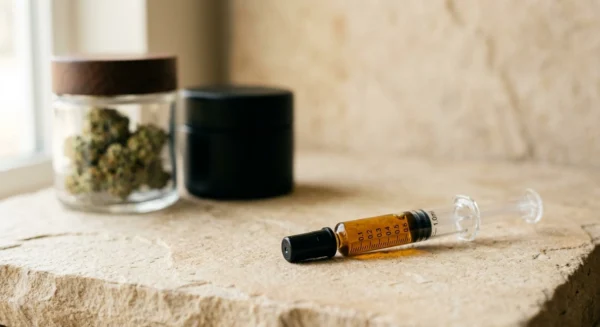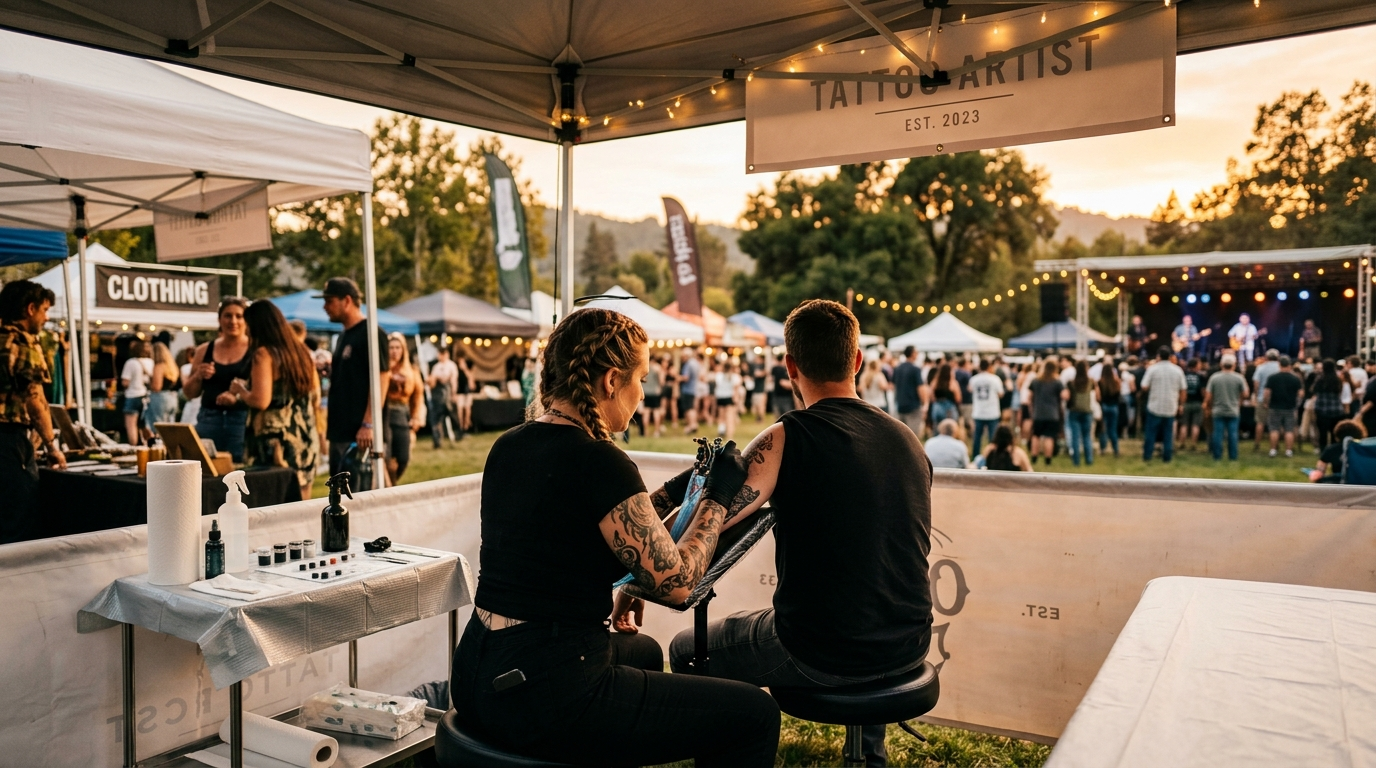
A cannabis and tattoo festival brings live body art, artist showcases, cannabis education, vendors, music, and related culture together. However, the event may not allow attendees to buy or consume marijuana on-site.
State law, local rules, venue policies, and permits determine what organizers can offer. Some events function as tattoo conventions with cannabis-themed vendors. Others include a separate, controlled consumption area where state and local laws allow one.
Expect identification checks, security screening, and consent forms for anyone getting tattooed. Rules may also change between areas of the venue. Before traveling, confirm the dates, tickets, age limits, tattoo appointments, and cannabis policies with the organizer.
What Happens at a Cannabis and Tattoo Festival
The tattoo floor usually features working artists, portfolio displays, flash designs, competitions, and style demonstrations. Some artists book appointments in advance. Others reserve time for walk-up tattoos chosen from prepared flash sheets.
Large or detailed custom pieces often require a consultation and deposit before the event. Ask the artist what the quoted price covers, including design time, placement changes, and touch-ups.
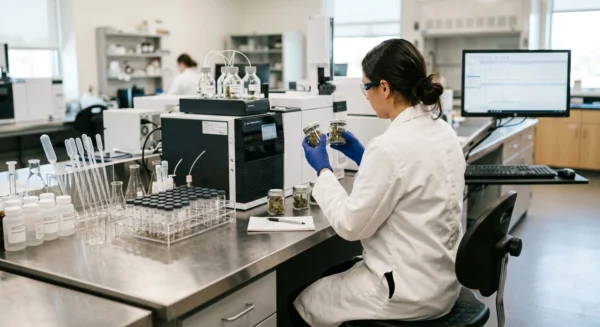
Cannabis programming may include cultivation talks, policy panels, product education, glass art, and advocacy groups. Licensed companies may also explain their manufacturing and testing methods. Still, cannabis branding at a booth does not prove that the vendor can legally sell or distribute marijuana.
Many jurisdictions allow brands to display merchandise and provide educational materials without transferring cannabis. Music, apparel, food vendors, visual art, and body-art suppliers often complete the event floor. The atmosphere may feel informal, but professionals must still follow tattoo sanitation and cannabis compliance rules.
Why “Cannabis and Tattoo Festival” Can Mean Different Things
The event name serves as marketing language, not a legal classification. One cannabis and tattoo festival may contain no marijuana at all. Another may offer a licensed consumption space separated from the main show floor.
Some events focus on hemp merchandise, advocacy, or cannabis-inspired artwork without permitting possession or use. Read the organizer’s rules for distinctions among marijuana, hemp, smoking, vaping, edibles, and nonintoxicating products.
An event may allow possession but forbid consumption. A venue may permit consumption while banning sales. Indoor-air laws, fire codes, lease terms, and local ordinances can also create stricter smoking rules.
Medical authorization does not automatically override venue policies or public-consumption restrictions. Likewise, an admission ticket does not act as a cannabis license or medical registration. If promotional language seems vague, ask which agency approved the activity and which licensed businesses will participate.
What Is Legal at the Event
States with legal adult-use cannabis restrict it to people age 21 or older. Each state also controls where adults may possess, sell, and consume marijuana. Most states prohibit public consumption, and ordinary event admission does not create an exception.
On-site consumption requires authorization under state and local law. The organizer or venue must also hold any required approvals. Some jurisdictions offer no legal route for event consumption, even when they allow adult possession.
State law generally requires licensed cannabis businesses to conduct sales at authorized locations or approved events. A vendor may still break the law by attaching “free” cannabis to a shirt, membership, or unrelated purchase. Donations, trades, raffles, and gifts can also fall under regulated distribution rules.
Possession limits, packaging standards, and take-home rules vary by state. Check current guidance from the state cannabis regulator and review the applicable law. Local governments may add restrictions or refuse event permits even when state law provides a licensing pathway.
Every state prohibits impaired driving. Arrange a sober driver, public transportation, or a lawful ride service before consuming cannabis. Keep cannabis secured during vehicle travel and follow the storage rules in that state.
Employers may continue to test for cannabis and respond to results. State employment protections vary widely, and some laws contain exceptions for safety-sensitive work. Event admission does not protect an attendee from workplace policies.
Federal Law and Interstate Travel
Federal law continues to prohibit marijuana despite state medical and adult-use programs. Federal rescheduling alone would not automatically create nationwide recreational legality. Enforcement priorities may also change without altering the underlying statute.
Do not carry marijuana across state lines, even between two states that allow adult use. Federal law prohibits interstate transportation. The destination state may impose additional penalties or restrictions.
Airports, federal buildings, national parks, military property, and other federal locations raise separate concerns. Airport rules can involve federal law, state law, and local airport policy. Review current rules before traveling with any cannabis product.
Federal and state rules for hemp-derived products continue to change. Products such as delta-8 THC and THCA flower may face bans, potency limits, testing rules, or age restrictions. A seller’s “hemp” label does not settle the product’s legal status.
Check current statutes and guidance from the relevant agriculture department or cannabis regulator. Do this before bringing any intoxicating hemp product to an event.
Federal firearm law also creates potential risks for marijuana users. State legalization does not automatically remove federal restrictions involving controlled-substance use and firearm possession. Courts continue to review these issues, so seek advice from a qualified attorney about a specific situation.
How Tattooing Works on the Festival Floor
State or local health departments usually regulate tattooing. Their rules may cover artist permits, temporary-event approvals, handwashing stations, surface barriers, and single-use needles. They may also require sharps disposal, bloodborne-pathogen training, sterilization procedures, and written aftercare instructions.
A clean booth should have organized work surfaces, fresh barriers, sealed supplies, suitable gloves, and a sharps container. Artists should change gloves after contamination. They should never handle phones, cash, or unrelated objects with contaminated gloves.
Artists must process reusable equipment according to local health rules where authorities allow its use. Wiping equipment between clients does not replace required cleaning and sterilization. Ask the artist to explain the booth’s process if anything looks unclear.
Before starting, the artist should review the design, placement, price, identification, consent forms, and relevant health disclosures. A reputable artist will explain aftercare and provide contact information for follow-up questions.
Walk away if a booth looks cluttered, rushed, or unable to explain its sanitation practices. A low price or short wait does not offset poor infection control.
Age Rules, Identification, and Admission
Legal cannabis areas restrict entry to adults age 21 or older. Another part of the tattoo convention may admit younger visitors. For that reason, staff may check identification at the entrance and again near controlled areas.
Bring an unexpired, government-issued photo ID. A medical cannabis card does not replace identification or proof of age.
Tattoo age laws vary by jurisdiction. Some places prohibit tattooing minors, while others require parental consent or a parent’s presence. Organizers may enforce an adults-only policy even when local tattoo law permits some services for minors.
Entry screening may include bag checks, wristbands, and prohibited-item lists. Venues often restrict outside cannabis, food, drinks, glass, weapons, and professional camera equipment. They may also limit reentry.
A legal consumption area may require a separate wristband or age check. Staff can deny access or remove attendees who ignore venue rules.
What to Bring and How to Prepare
Bring your photo ID, ticket confirmation, and an accepted payment method. Cannabis businesses often face banking restrictions, but payment options still vary by booth. Do not assume every vendor accepts cash or that the venue provides an ATM.
Confirm deposits, final payment, and cancellation terms with the tattoo artist before the appointment. Save the agreement and any receipts.
- Appointment details: Save the artist’s contact information, booth location, appointment time, and preparation instructions.
- Suitable clothing: Wear clothing that exposes the tattoo area without causing unnecessary discomfort or rubbing the finished tattoo.
- Food and water plan: Check whether the venue permits sealed water or snacks. Locate food options before a long session.
- Aftercare supplies: Leave room for written instructions and any products the artist recommends.
- Transportation: Arrange a sober trip home before entering a consumption area.
Arrive with clean skin and enough time to review the design. Speak up about pain, anxiety, placement, or the need for breaks. Cannabis and alcohol cannot replace clear communication with the artist.
Most professional artists refuse to tattoo visibly impaired clients. Impairment can interfere with informed consent, communication, and safe movement during the session. It may also increase the chance of a poor decision about permanent body art.
Do not bring marijuana from another state or assume medical-program reciprocity. A venue may also prohibit outside products even when nearby laws permit possession. Violating that policy could lead to confiscation or removal.
Cannabis Use, Impairment, and Health Considerations
If the event offers lawful consumption, follow product labels and any state-defined serving limits. Start with a low amount and wait before taking more. Edibles and oils can take much longer to produce noticeable effects than inhaled products.
Edible effects may also last for several hours. Do not consume another serving simply because the first one has not taken effect.
High-potency products can increase anxiety, confusion, paranoia, and other adverse effects. Frequent use can contribute to cannabis use disorder. Heavy, long-term use may also cause cannabinoid hyperemesis syndrome, which involves recurring nausea and vomiting.
Research also links frequent use of high-potency cannabis with psychosis risk in susceptible people. Individual risk depends on several factors, including personal and family medical history.
Cannabis can interact with prescription and over-the-counter medications. Ask a pharmacist or healthcare professional about possible interactions. People who are pregnant or breastfeeding should avoid cannabis.
Combining cannabis with alcohol or other impairing substances increases risk. It can worsen judgment, balance, nausea, and sedation.
Do not treat cannabis as a proven tattoo pain-control method. Tell the artist about health conditions and medications that could affect bleeding, allergies, immune function, or healing. Consult a healthcare professional when needed because a tattoo artist cannot provide medical advice.
For accidental ingestion in the United States, call Poison Control at 1-800-222-1222. Call 911 for trouble breathing, loss of consciousness, seizures, or extreme confusion. Keep cannabis locked away from children and pets during and after the trip.
Fresh Tattoos and Cannabis-Themed Aftercare Products
Festival vendors may sell balms, salves, oils, and other tattoo products. Labels such as “CBD-infused,” “natural,” or “healing” do not prove suitability for newly tattooed skin. Cannabinoid content also does not show that a product prevents infection or improves ink retention.
Follow the artist’s written aftercare instructions. Ask which ingredients and products to avoid during healing. Never apply a shared tester or an unfamiliar sample to a fresh tattoo.
Handle the area only with clean hands. Avoid unnecessary touching, dirty surfaces, and unapproved products. Follow the artist’s instructions for washing, covering, drying, and moisturizing the tattoo.
Seek medical care for worsening redness, increasing pain, heat, swelling, pus, fever, or red streaks. Allergic and irritant reactions may involve pigments, adhesives, fragrances, or topical products. A healthcare professional should assess serious or persistent symptoms.
Event Etiquette for Artists, Vendors, and Attendees
Ask before photographing an artist’s work area, a client, or another attendee’s body art. A general media policy does not remove an individual’s right to privacy. This matters especially during sessions that expose normally covered skin.
Keep walkways clear and avoid leaning on booth barriers. Do not touch portfolios after handling food or cannabis products. If an artist is working, wait for a pause or speak with the booth assistant.
Respect the artist’s pricing and original work. Do not pressure an artist to copy another person’s custom tattoo. Ask whether a flash design remains repeatable or becomes unavailable after one client chooses it.
Inside a legal consumption area, follow instructions about where people may open and use products. Smoke and vapor can affect workers and nearby attendees. Ventilation limits, fire codes, and occupancy rules still apply.
Permission to consume does not excuse disruptive behavior, unwanted contact, or interference with an artist. Staff may remove impaired or disruptive attendees.
Each artist sets policies for tips, deposits, cancellations, and competition entries. Get the terms in writing for a substantial appointment. If a dispute occurs, keep your receipts and contact the artist or event management calmly.
How to Vet an Event Before Buying a Ticket
Start with the organizer’s official website. Confirm the current date, venue, admission policy, accessibility details, and refund terms. Recurring events may change locations, operators, or legal arrangements each year.
Old social posts cannot confirm current plans. Check whether announced artists promote the event through their own established websites or social accounts.
Look for specific rules covering age limits, possession, consumption, sales, reentry, and medical accommodations. If the event advertises marijuana sales or use, identify the agency that approved those activities. Verify participating businesses through the state license database when one exists.
Treat promises of unrestricted cannabis access with caution. Responsible organizers explain boundaries rather than encouraging attendees to avoid security or regulators.
The tattoo program should identify participating artists and describe the appointment process. Review each artist’s healed work, not only fresh tattoos photographed immediately after completion. Healed examples reveal line quality, saturation, and consistency more clearly.
Look for information about temporary body-art permits, sanitation standards, and health department oversight. Contact the relevant agency if the organizer cannot answer basic licensing questions.
Confirm exactly what the ticket includes. General admission may exclude tattoos, products, panels, competitions, parking, or controlled consumption spaces. Promotional images do not establish access to any particular service.
Choosing an Event That Takes Safety Seriously
Clear operations matter more than a long vendor list. A responsible organizer separates licensed cannabis activity from ordinary merchandise. It also publishes age rules, explains consumption limits, and gives tattoo artists suitable working facilities.
A well-run cannabis and tattoo festival does not present impairment as a normal part of getting tattooed. Artists need clients who can understand consent forms, communicate clearly, and remain still during the session.
Before attending, verify event details with the organizer and cannabis rules with the state regulator. Check tattoo requirements through the appropriate state or local health authority. Make appointments through the artist’s official channel and arrange sober transportation.
If the rules remain unclear, attend for the art, education, and community rather than assuming cannabis use will occur. Tattooing and cannabis activity each carry separate licensing, safety, health, and consent requirements.
This article provides general information, not legal or medical advice. Consult a licensed attorney or qualified healthcare professional for guidance about your situation.