With the growing popularity of cannabis across the globe, cannabis flower packaging has become a crucial aspect of the industry, balancing compliance, sustainability, and consumer needs. Understanding cannabis flower packaging is essential for both seasoned enthusiasts and beginners seeking guidance in this evolving sector. In this article, we explore the legal requirements, best packaging options, and how these choices impact consumers and businesses.
Understanding Compliance in Cannabis Flower Packaging
In the world of cannabis, compliance is king. Regulations about cannabis flower packaging vary significantly depending on location, making it essential for businesses to adhere to local laws. In the United States, these regulations can differ not only from state to state but also within municipalities.
Generally, the primary goals of cannabis packaging regulations are to ensure child safety, limit access to minors, and prevent contamination. For instance, in California, state laws mandate child-resistant packaging that is opaque and resealable if the product contains more than a single serving. Similarly, Colorado requires exit bags for all purchases, which must be child-resistant unless the product packaging already meets this criterion.
Cannabis flower packaging must also include specific information, such as potency levels, health warnings, and origin details. Compliance protects consumers and maintains business integrity, avoiding potential fines or legal issues. Businesses should regularly check government websites and partner with legal experts in the cannabis field to stay informed about industry changes.
The Best Packaging Options for Cannabis Flower
With compliance checks in place, cannabis companies face the challenge of selecting packaging solutions that protect the product, attract buyers, and uphold brand values. Here are some popular options:
- Glass Jars: Renowned for preserving freshness, glass jars protect cannabis from environmental degradation. Products like the Re:stash jar combine sustainability with functionality, featuring child-resistant lids.
- Mylar Bags: Offering flexibility and excellent barrier properties, Mylar bags are often heat-sealed for enhanced protection. They are lightweight, reducing shipping costs and storage space.
- Plastic Drams: Used for single-serve or small-portion packaging, innovations in biodegradable plastics are emerging, despite being less environmentally friendly.
- Paperboard Boxes: Typically used to house smaller bags or jars, paperboard boxes offer an additional branding opportunity and the use of biodegradable materials.
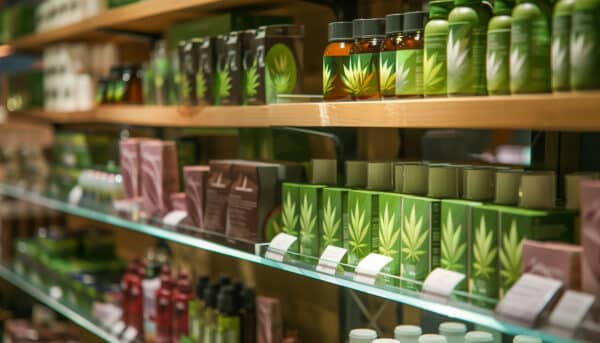
The visual appeal of cannabis flower packaging plays a key role in consumer selection. Striking designs with clear labeling can convey brand identity and make the product stand out in a competitive marketplace.
Insider Tips: Selecting the Right Packaging for Your Strain
The choice of cannabis flower packaging can greatly influence the preservation and presentation of specific strains. For terpene-rich strains like Gelato or Wedding Cake, airtight glass jars prevent terpene loss, profoundly affecting flavor and aroma profiles.
If you’re considering sustainable packaging, options like 100% recyclable materials or those produced with eco-conscious practices could set your brand apart. Strains like Sour Diesel, known for their powerful aromas, might benefit from packaging solutions that incorporate odor control technologies.
Retailers and consumers should consider how often a product will be opened. Frequent access necessitates packaging that maintains freshness, suggesting resealable options are optimal. Offering smaller portions in individual packs caters to consumers seeking variety without committing to larger quantities.
Legal and Market Considerations Impacting Packaging Choices
Compliance and practicality are top priorities, but other factors like marketing trends and consumer preferences shape cannabis flower packaging strategies. Attractive packaging that aligns with market trends, such as minimalism or bold graphics, can capture consumer attention in a crowded dispensary display.
With an increase in online and delivery services, packaging must now consider shipping and handling. Boxes easy to stack and shipments that withstand travel jostles help ensure products reach consumers in the best condition.
In states like Oregon and Washington, where cannabis businesses operate under tightly regulated environments, companies frequently adapt packaging solutions to remain competitive while complying with regulations. Engaging with trade associations or industry-specific legal advisors helps businesses quickly adapt their cannabis flower packaging strategies.
The Path Forward: Sustainable and Innovative Packaging
The future of cannabis flower packaging trends toward sustainability, with brands looking for new ways to reduce their ecological footprint. Exploring options like plant-based plastics, biodegradable pouches, or upcyclable materials not only aligns with consumer values but also potentially lowers costs and regulatory burdens related to waste management.
Innovative technologies are also entering the arena, such as active packaging systems designed to adjust atmospheric conditions by controlling humidity and oxygen levels within the package. This technology can prolong shelf life and preserve cannabinoid and terpene profiles, offering consumers an optimal product experience.
As the cannabis industry continues to mature, the importance of thoughtful cannabis flower packaging grows. By considering compliance, environmental impact, and consumer preferences, businesses can craft a winning strategy that enhances product appeal and ensures regulatory alignment.