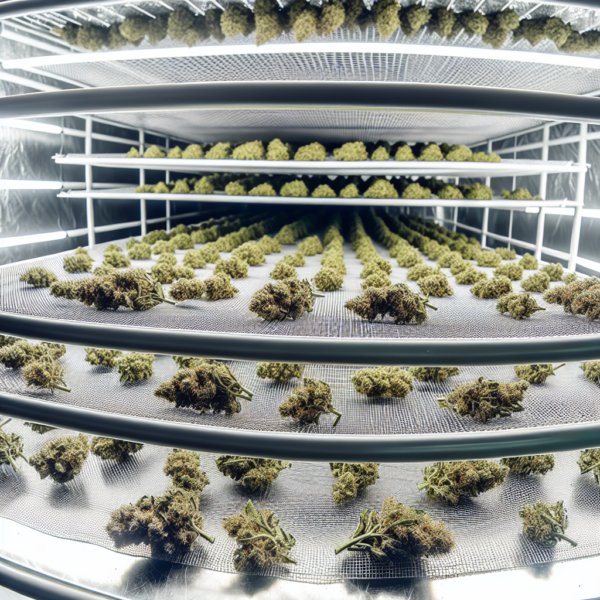
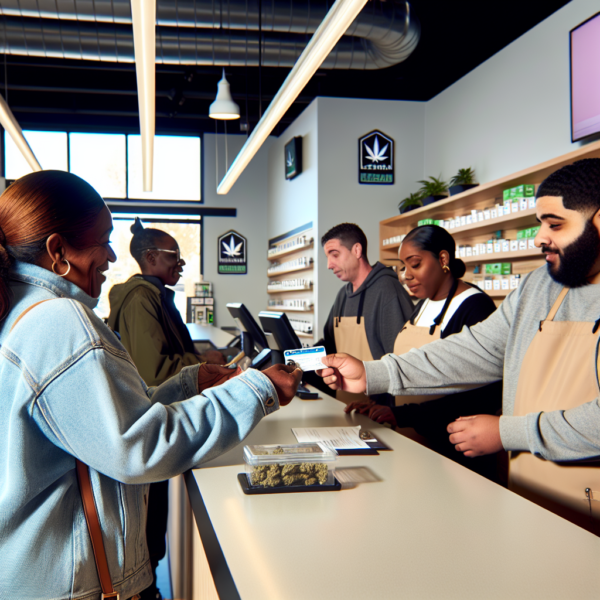
Cooking with cannabis has emerged as a popular, flavorful, and smoke-free way to enjoy the benefits of this versatile plant. Whether you’re a seasoned home chef, a curious traveler discovering legal cannabis destinations, or a family seeking wellness-forward food options, integrating cannabis into your kitchen opens up a whole new culinary experience. From camping feasts to cozy home meals, cooking with cannabis offers a personalized approach to wellness and recreation—especially in cannabis-friendly states like California, Colorado, and Oregon.
Understanding Cannabis and Cooking: The Basics
Before exploring recipes, it’s essential to learn how cannabis works in cooking. The active compounds—THC and CBD—must undergo decarboxylation, a gentle heating process that activates their effects. Without it, raw cannabis won’t deliver the desired therapeutic or psychoactive results.
To decarboxylate at home, bake ground cannabis flower on a parchment-lined tray at 240°F (115°C) for 30–40 minutes, stirring occasionally. This step prepares the cannabis for infusion into fats like butter, oil, or ghee—the most common carriers used in cooking with cannabis.
If you’re on the road and staying at an Airbnb in Sebastopol or Santa Barbara, check out reputable dispensaries like Solful or Farmacy for pre-decarboxylated cannabis. This option saves prep time and keeps your travel kitchen hassle-free.
Once decarboxylated, infuse it by simmering with butter or oil on low heat for two to three hours. Stir occasionally, strain out the plant material using cheesecloth, and voilà—you have a ready-to-use base for everything from infused brownies to sauces. Start with low doses and be patient; edibles can take up to two hours to take effect. Knowing your potency ensures a safe experience, especially when cooking for groups.
Versatile Infused Ingredients to Make or Buy
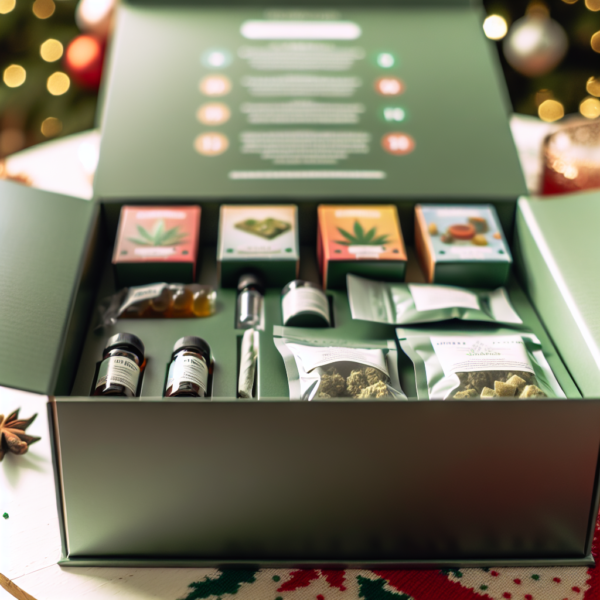
One of the best parts of cooking with cannabis is the variety of infused ingredients you can create or buy from dispensaries. These convenient products help control both dosage and flavor profiles.
- Cannabutter: Ideal for baked goods, mashed potatoes, and grilled cheese melts.
- Cannaoil: Use olive or coconut-based versions for roasting vegetables, sautéing meats, or whisking into dressings.
- Infused Sugar and Honey: Excellent in teas, desserts, or glazes. Try Honey Pot Bear for delicious CBD and THC honey blends in Northern California.
- Tinctures: Alcohol-based extracts perfect for mocktails, smoothies, or soups. Easy to dose per drop.
Travelers in Denver or Portland can visit Native Roots or Serra, respectively, for pre-dosed and lab-tested ingredients. Look for products with a Certificate of Analysis (COA) to ensure safety and accurate dosing.
Family-Friendly Recipes and CBD Cooking
Cooking with cannabis doesn’t always mean getting high. Using CBD-focused recipes lets you enjoy calming benefits—like relief from stress or pain—without psychoactive effects. Many wellness-centric communities, such as Bend, Oregon or Asheville, North Carolina, now host CBD cafes offering smoothies, teas, and baked treats.
Here are a few CBD-dominant, family-friendly recipes to try at home or on the go:
- CBD Acai Bowls: Blend acai with fresh fruit, then drizzle with CBD-infused honey and sprinkle on granola.
- Coconut CBD Granola Bars: Use CBD coconut oil to bind oats, nuts, and dried fruit into energizing bars—great for trail snacks in Big Sur or the Rockies.
- Infused Salad Dressings: Whisk CBD cannaoil with lemon juice, mustard, and herbs for a refreshing topping after a beach day in San Diego.
Clearly label all infused dishes, especially when children or cannabis-free guests are present. When possible, prepare both infused and non-infused versions so all guests can enjoy safely.
Outdoor Adventures and Cannabis Cuisine
From the forests of Oregon to the arid beauty of Joshua Tree, cooking with cannabis outdoors adds flavor to any adventure. Preparing meals with infused ingredients on a road trip or camping trip can be memorable—just plan ahead and know the laws.
Research local regulations. Even in cannabis-legal states, public consumption is usually restricted. National parks remain federal land where cannabis is prohibited. Private accommodations, like a log cabin in Lake Tahoe, are ideal for cannabis cooking, while open-flame use in Yosemite is prohibited.
Easy outdoor-friendly cannabis meals include:
- S’mores made with CBD chocolate bars
- Herbal tea with marshmallow and cannabis tincture
- Infused trail mix: cannabutter-roasted almonds, dried fruit, and dark chocolate
Brands like Wana and Kiva offer pre-measured options—perfect for microdosing and packing light. Respect nature while enjoying your meal by disposing of waste properly and keeping edibles out of reach from wildlife and children. Consider staying at cannabis-welcoming spots like Feather Falls Casino Lodge or a Bud+Breakfast location to elevate your travel meals comfortably.
Exploring Global Cannabis Cuisine
Across the world, cultures have incorporated cannabis into food for spiritual, medicinal, and celebratory purposes. Today, modern chefs are celebrating that legacy by reviving traditional dishes with a cannabis twist.
In Jamaica, cannabis leaves enrich Ital stews rooted in Rastafarian culture. In India, ‘bhang’ is a cannabis-infused yogurt drink served during Holi. These historical dishes inspire modern interpretations that blend heritage and wellness.
In Los Angeles, Elevated Cuisine and The Herbal Chef host immersive, infused dining experiences highlighting Latin American, West African, or Asian-inspired flavors. On the East Coast, Massachusetts-based Pot y Pan features infused Puerto Rican cuisine through themed pop-up events.
Looking to improve your skills? Sign up for hands-on cooking classes during your cannabis travels. Attend a “Herb Somm” tasting in Napa Valley, or join Laurie Wolf’s workshops in Portland to learn how to cook with cannabis while focusing on health and flavor.
Safe Dosage and Responsible Consumption
Perhaps the most important part of cooking with cannabis is getting the dosage right. Whether you’re preparing dinner for friends or making snacks for a solo trip, safety counts.
- Microdose to start: Begin with 1–2.5 mg of THC per serving, especially for first-timers.
- Be patient: Edibles can take one to two hours to kick in—don’t double dose too soon.
- Use labeled storage: Clearly mark containers when traveling or storing in shared kitchens and coolers.
- Log recipes and potency: Keep notes about strain types, amounts used, and recipe effects to perfect future dishes.
Always use a digital scale for accurate measurement with high-potency cannabis. Blend thoroughly to ensure even distribution in your dish. For convenience on the go, bring reusable containers or silicone molds to make consistent, pre-dosed treats wherever you are.
Cooking with cannabis combines flavor, creativity, and personal wellness into one rewarding lifestyle. Whether you’re crafting gourmet dinners or simple CBD bites, there’s a cannabis culinary path for everyone. With knowledge, preparation, and a sense of adventure, your next meal—whether on a mountaintop or beach blanket—can transform into an elevated dining experience.