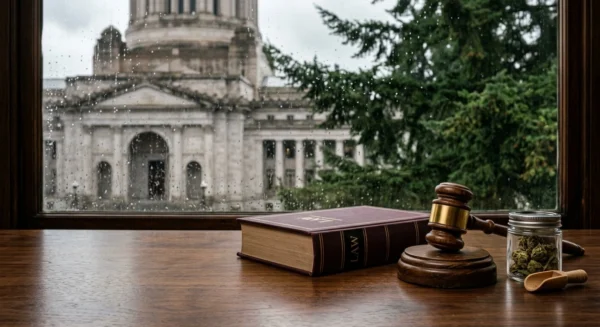
As national attitudes toward cannabis continue to shift, “Indiana marijuana laws” remain one of the toughest in the United States. Indiana’s regulations currently prohibit both recreational and medical cannabis use, setting the Hoosier State apart from many others moving toward legalization rapidly. Although the state’s stance is rigid, it is subject to ongoing debate that may change the existing rules. Understanding Indiana marijuana laws is crucial for both residents and visitors looking to navigate cannabis use responsibly.
Understanding Indiana Marijuana Laws
Indiana marijuana laws include some of the most stringent regulations in the country. The possession, sale, and cultivation of cannabis are illegal. Possessing even a small amount can result in a misdemeanor charge, with possible jail time of up to 180 days and a $1,000 fine. If caught with higher quantities, charges may escalate to a felony, leading to harsher penalties, including increased fines and extended jail terms. This strict legal framework significantly contributes to the debate over potential reform.
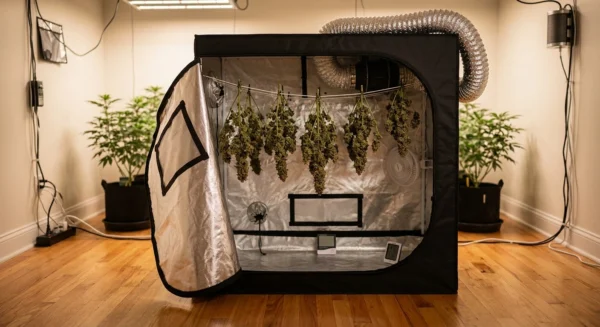
There are no legal channels for dispensaries or personal cultivation of cannabis within Indiana. The regulation extends to industrial hemp-based CBD, which is permissible only under strict guidelines that maintain THC content below 0.3%. Consumers seeking products beyond these confines often look to neighboring states or the illicit market, which entails significant legal risk.
The Legalization Debate in Indiana
The conversation about the legalization of cannabis in Indiana is vigorous, driven by various economic, health, and social considerations. Supporters highlight potential fiscal benefits, including substantial tax revenues to support state budgets, as seen in states like Colorado. Also, advocates push for medical cannabis access to alleviate conditions such as epilepsy and cancer treatment side effects.
However, opponents express concerns over public health and safety. They cite potential increases in impaired driving and youth access, as well as challenges in industry regulation. Despite these concerns, there is growing support among Indiana’s residents for revising current cannabis laws, with many in favor of either decriminalization or full legalization.
Impact on Consumers and Businesses
If Indiana’s marijuana laws were to change, offering legalization, consumers and businesses could experience substantial changes. Legal cannabis would provide local consumers with a wider selection of products, such as edibles and tinctures, while allowing for safer consumption through tested products. Understanding cannabinoid profiles, including THC and CBD content, and the effects of terpenes would be crucial during this transition.
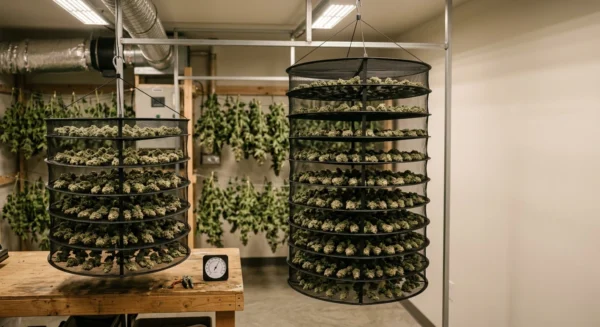
For businesses, legalization would introduce a lucrative market, attracting investments and creating jobs in agriculture, manufacturing, and retail sectors. Entrepreneurs could develop cultivation facilities or open dispensaries, modeled on successful operations in other states. Understanding the regulatory landscape, from licensing to taxation, will be essential for success in Indiana’s potential future legal market.
The Importance of Education and Responsible Use
Education will be fundamental if Indiana marijuana laws evolve. As access to cannabis increases, public understanding of safe consumption practices becomes imperative. New users should learn about dosing guidelines, beginning with microdosing to assess tolerance and avoid side effects. Knowledge about product forms, like flower or concentrates, empowers informed decisions.
Awareness of legal restrictions remains critical, even in a potentially relaxed future. Knowing age limits, public usage rules, and transportation guidelines will foster a culture of responsible use in Indiana, maximizing safety and promoting cannabis benefits within the community.
Looking Ahead for Indiana
Though current regulations are strict, the landscape of Indiana marijuana laws is not fixed. Public opinion and political advocacy continue to shape discussions at both state and federal levels. This evolving dialogue presents varied future possibilities for the state, from narrowly defined medical programs to comprehensive legalization similar to nearby markets like Illinois or Michigan.
For advocates, focusing on evidence-based legislation that addresses economic benefits and public health concerns will be key to successful reform. Meanwhile, residents and consumers should stay informed and engaged to navigate this shifting terrain and prepare for potential new opportunities in cannabis consumption and industry participation in Indiana.