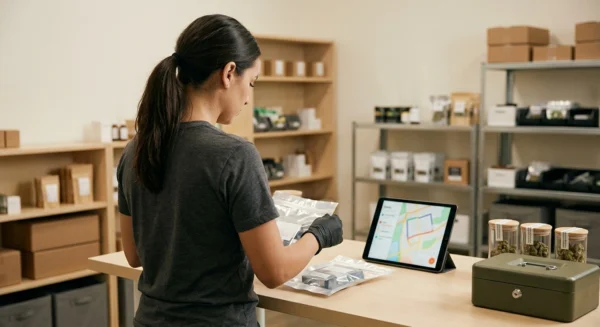
Washington marijuana laws allow adults age 21 and older to buy and possess limited amounts of cannabis. However, state law still restricts where people may use it, how they may transport it, and who may grow it.
Washington legalized adult-use cannabis through Initiative 502 in 2012. The Washington State Liquor and Cannabis Board regulates growers, processors, and retailers.
Understanding Washington marijuana laws
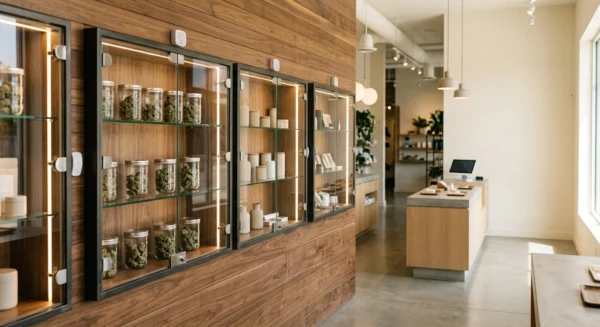
Adults may purchase cannabis only from retailers licensed by the state. Buyers must show valid government-issued identification proving that they are at least 21.
State law allows each adult to possess up to:
- 1 ounce of usable cannabis
- 7 grams of cannabis concentrate
- 16 ounces of cannabis-infused products in solid form
- 72 ounces of cannabis-infused products in liquid form
These limits apply to personal possession. Selling or distributing cannabis without the proper state license can lead to criminal charges.
Where adults may use cannabis
Washington prohibits cannabis use in public and in view of the general public. This restriction covers streets, parks, restaurants, bars, concert venues, and other shared spaces.
Adults may use cannabis on private property if the property owner allows it. Landlords, hotels, and homeowners’ associations may prohibit smoking or all cannabis use on their premises.
Washington’s smoking law also restricts smoking near doors, windows, and ventilation openings. Local governments may impose further rules, so consumers should check city and county codes.
Home cultivation rules
Washington does not allow recreational consumers to grow cannabis at home. An adult who grows plants without medical authorization may face criminal penalties.
Medical cannabis patients follow different rules. A patient who joins the state medical cannabis database may generally grow six plants and possess up to eight ounces of usable cannabis from those plants.
A health care practitioner may authorize as many as 15 plants and up to 16 ounces for a qualifying patient. Patients who do not join the database may grow four plants and possess up to six ounces, subject to state requirements.
Buying cannabis from a licensed retailer
Licensed stores may sell tested and labeled cannabis products to adults. Consumers can confirm a store’s license through the Washington State Liquor and Cannabis Board.
Retail cannabis carries a 37 percent state excise tax, along with applicable sales taxes. Retailers usually include the excise tax in the displayed price, but shoppers should review the receipt before leaving.
Washington generally does not permit recreational cannabis delivery. Consumers must complete purchases at licensed retail locations unless state law creates a specific exception.
Product packaging and storage
State rules require child-resistant packaging and standardized labels. Labels identify THC and CBD content, serving size, ingredients, warnings, and test information.
Keep cannabis in its original container and store it away from children and pets. Edibles can resemble ordinary candy or baked goods, which raises the risk of accidental ingestion.
Driving with cannabis in Washington
Driving while impaired by cannabis is illegal. For drivers age 21 or older, a blood THC concentration of 5 nanograms per milliliter within two hours of driving can support a per se DUI charge.
The 5-nanogram limit does not mark a safe amount to consume before driving. THC affects people differently, and an officer may arrest an impaired driver regardless of a later test result.
Drivers should keep cannabis sealed and outside the passenger area, preferably in the trunk. Washington restricts open cannabis packages and consumption inside vehicles.
Passengers also may not use cannabis in a vehicle on a public highway. A DUI conviction can bring fines, license suspension, court costs, and possible jail time.
Federal property and interstate travel
Federal law prohibits cannabis even when state law allows it. State legalization does not protect possession in national parks, federal buildings, military installations, or other federal areas.
Do not carry cannabis across state or international borders. This rule applies even when the destination also permits adult-use cannabis.
Airports create added risk because federal agencies oversee air travel. Travelers should leave cannabis at home rather than take it through airport security.
Tribal governments set their own cannabis policies on tribal land. Check the rules of the specific tribe before possessing or using cannabis there.
Employment and housing rules
Since January 1, 2024, Washington has limited how many employers may use preemployment cannabis tests. In most cases, an employer cannot reject an applicant solely because a test detects nonpsychoactive cannabis metabolites from lawful off-duty use.
The law includes exceptions for certain safety-sensitive and federally regulated positions. It also covers jobs in law enforcement, fire protection, corrections, airlines, and emergency dispatch.
Employers may still maintain drug-free workplaces. They may test workers after an accident, investigate suspected impairment, or take action against on-the-job cannabis use.
Landlords may prohibit smoking and cannabis activity through lease terms. Federal housing programs may enforce stricter rules because federal law continues to prohibit cannabis.
Medical cannabis protections
Washington’s medical cannabis program serves patients with qualifying medical conditions. A qualifying patient may ask an authorized health care practitioner for medical cannabis documentation.
Joining the medical cannabis database provides access to a recognition card and certain legal protections. It may also allow tax exemptions on qualifying purchases from medically endorsed stores.
Medical authorization does not permit impaired driving or public consumption. Patients must also follow possession, cultivation, and storage limits.
Penalties and past possession convictions
Possessing more than the legal limit can result in criminal charges. Unlicensed sales, unlawful cultivation, public use, and providing cannabis to anyone under 21 may also bring penalties.
People with older misdemeanor cannabis possession convictions may qualify to have those convictions vacated. Eligibility depends on the offense, the person’s age at the time, and other facts in the court record.
The Washington Courts website provides forms and guidance for record-clearing requests. An attorney can review complicated cases or convictions involving additional charges.
Following Washington cannabis rules
Because Washington marijuana laws change through legislation, court decisions, and agency rules, consumers should verify current requirements. The Liquor and Cannabis Board, Department of Health, and Washington Legislature provide official updates.
Adults can reduce legal risk by buying from licensed stores, staying within possession limits, and using cannabis only on permitted private property. They should also avoid driving after use and never transport cannabis across a border.
Washington marijuana laws distinguish legal adult possession from public use, home cultivation, impaired driving, and unlicensed distribution. Anyone facing a charge or a licensing issue should seek advice from a qualified Washington attorney.