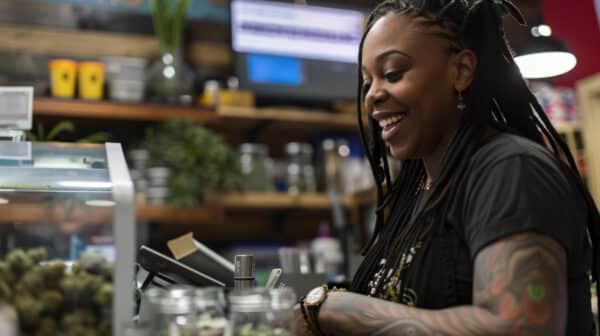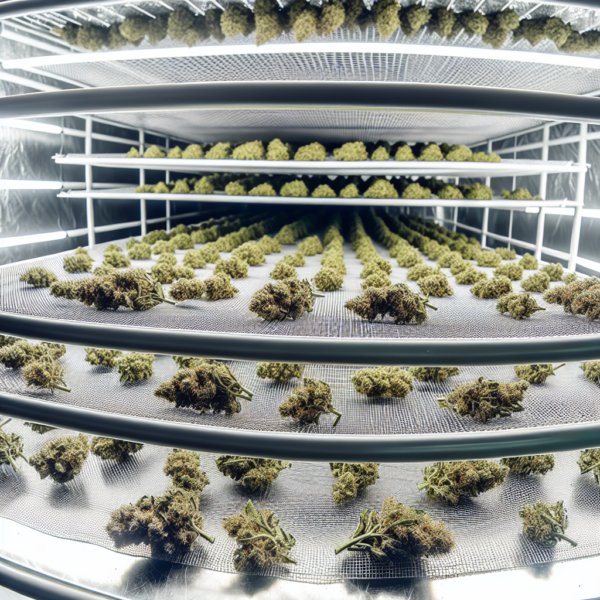
Cannabis and social equity have become central issues as the legal cannabis industry grows across the United States and globally. While legalization expands access and economic potential, it also highlights the injustices caused by decades of prohibition. Marginalized communities—particularly Black, Latinx, and Indigenous populations—have borne the brunt of cannabis-related arrests, despite similar usage rates among all demographics. Today, cannabis and social equity initiatives aim to correct these disparities by fostering a fair, inclusive industry.
Understanding Cannabis-Related Injustices
For decades, the “War on Drugs” disproportionately targeted communities of color for nonviolent cannabis offenses. According to the ACLU, Black Americans are nearly four times more likely to be arrested for cannabis possession compared to white individuals, despite equal usage rates. These arrests lead to long-lasting consequences—limiting job prospects, housing access, and civic participation.
The damage extends beyond individuals to entire neighborhoods, which face over-policing, disinvestment, and stigma. Meanwhile, the rapidly growing cannabis industry has largely benefited white entrepreneurs and investors, revealing a sharp inequality in the rollout of legalization.
Addressing these roots is critical to advancing cannabis and social equity. True equity goes beyond issuing licenses—it requires systemic change through policy reform, community investment, and inclusive practices within the industry.
What Is a Cannabis Social Equity Program?
A cannabis social equity program is a government-led initiative designed to repair the harm caused by past enforcement policies. These programs offer targeted support to individuals from disproportionately impacted communities, helping them enter and succeed in the legal cannabis market.
Such support can include free technical training, application assistance, business grants, priority licensing, and mentorship opportunities. For instance, Los Angeles’ Social Equity Ownership Program (SEOP) prioritizes applicants with prior convictions or those living in high-arrest zip codes. In Massachusetts, the state’s Social Equity Program provides education and training to justice-involved individuals.
Successful cannabis and social equity measures often include:
- Licensing fee waivers and financial grants
- Mentorship and business development resources
- Expungement of prior cannabis convictions
- Zoning and compliance guidance
- Workforce training across roles in the industry
Eligibility requirements vary by region but often consider criminal history, income level, and residency in communities historically targeted for cannabis enforcement. To check if you qualify, visit your state or city’s cannabis regulatory website.
Tackling Real-World Challenges to Equity
Despite strong intentions, implementing cannabis social equity programs has proven difficult. Barriers such as complex licensing processes, limited funding, high startup costs, and competition with large corporations often prevent equity applicants from succeeding.
The 2020 social equity rollout in Illinois serves as an example. Plagued by lawsuits and delays, many qualified applicants remained in limbo while well-funded entities exploited program loopholes. This highlights the need for tighter regulations and transparent processes.
Another major challenge is banking. Since cannabis remains illegal under federal law, traditional loans and banking services are out of reach for many businesses. Entrepreneurs from underserved communities especially struggle with access to capital. Cannabis-specific lenders, local credit unions, and crowdfunding platforms provide alternatives, though obstacles remain high.
To truly support cannabis and social equity, stakeholders must address more than licensing. Broader solutions include workplace diversity, community reinvestment, and sustained funding access—not just symbolic gestures.
How You Can Support Cannabis and Social Equity
Every consumer can participate in promoting an equitable cannabis industry. Here are several ways to make a meaningful impact:
- Buy from equity-owned dispensaries and brands: Choose businesses led by individuals impacted by prohibition. Directories like Cannaclusive’s Accountability List and Cannabis Equity Illinois highlight such companies.
- Engage with dispensary staff: Ask about equity-supporting products. Budtenders often know which items are made by justice-involved entrepreneurs.
- Advocate for inclusive policies: Get involved in local efforts to promote equity-focused laws. Attend public hearings or support initiatives that prioritize underserved applicants.
- Raise awareness: Share facts and stories about the unfair history of cannabis enforcement. Educating others helps build long-term change.
In Colorado, brands like Simply Pure and Viola stand out for their Black-owned leadership and community-centered values. In California, Equity Trade Certification helps consumers support verified social equity brands throughout the supply chain.
The Importance of Expungement in Cannabis Equity
Expungement—clearing or sealing past cannabis convictions—is a cornerstone of meaningful reform. Criminal records from minor cannabis offenses still block opportunities in employment, housing, and education, even long after legalization.
Several state programs include automatic or streamlined expungement procedures. New York’s Marijuana Regulation and Taxation Act (MRTA) enables automatic removal for qualifying offenses. California’s AB 1793 mandates the identification and dismissal of eligible convictions. Similar systems are active in Massachusetts and Michigan.
However, rollouts vary in effectiveness. Many people remain unaware of their eligibility or struggle to navigate bureaucratic procedures. Organizations like the Last Prisoner Project and Code for America offer free assistance and advocacy tools to speed up the process.
Clearing these records isn’t just a legal matter—it restores dignity and unlocks life-changing opportunities for affected individuals and their families.
Buying Weed with Purpose: Equity-Focused Product Choices
The modern cannabis market offers a wide variety of choices—and you can align your purchases with your values. Whether you enjoy classic strains like Sour Diesel or are exploring new favorites like Pink Rozay, many equity-led brands focus on quality and community impact.
Here’s how to buy with intention:
- Choose full-spectrum products: Especially for medical use, full-spectrum blends preserve terpenes like myrcene (calming), limonene (energizing), and linalool (stress-reducing). Social equity brands often emphasize whole-plant wellness.
- Start with small doses: If you’re trying edibles or concentrates from an equity-led producer, go slow—beginning with 2.5 to 5 mg THC can help determine your tolerance. Choose balanced THC:CBD products to minimize unwanted effects.
- Test craft quality: Many equity cultivators prioritize small-batch or organic growing methods. Try mini pre-rolls or single grams to sample before making larger purchases.
Standout equity-based brands include Ball Family Farms (Los Angeles), SF Roots (San Francisco), and Black Buddha Cannabis (multi-state). These companies combine premium products with community-driven missions.
Building a Just and Inclusive Cannabis Future
The legal cannabis industry is still taking shape, and how we build it matters. Ensuring lasting change requires commitment across the board—from lawmakers and business leaders to advocates and everyday consumers. Only then can cannabis and social equity evolve hand in hand.
Effective equity efforts include robust policy enforcement, expungement access, fair capital distribution, and a diverse, inclusive supply chain. Token initiatives are no longer enough. Consumers have the power to shape this industry by voting with their wallets, using their voices, and supporting brands and businesses that elevate justice-involved communities.
When cannabis is rooted in both healing and justice, the entire industry benefits. A more equitable future is not only possible—it’s essential.