In the dynamic world of cannabis cultivation, “cannabis pollen for sale” is a concept gathering significant attention. This key aspect promises to redefine genetic possibilities and improve strain refinement. The marketplace for cannabis pollen offers breeding opportunities, catering to both novice growers and experienced breeders.
Understanding Cannabis Pollen
Cannabis pollen is essential to the plant’s reproduction, serving as the male gamete. When pollen fertilizes female flowers, seeds form, leading to new strain development. DNA exchange among plants can create unique phenotypes with new cannabinoid and terpene profiles. Award-winning strains like Blue Dream or Girl Scout Cookies resulted from precise breeding often using pollen transfer.
Collecting and using pollen demands knowledge and care. Male cannabis plants produce pollen sacs that release pollen when mature. Once harvested, pollen must be used quickly or stored properly to maintain viability. This often involves refrigeration or controlled freezing to prevent moisture absorption.
Where Can You Find Cannabis Pollen for Sale?
Today, cannabis pollen is available on numerous online platforms focused on genetic distribution, along with some dispensaries and seed banks. Websites like Seedsman and ILGM offer pollen and highlight strains that can enhance a breeder’s collection. However, it’s important to consider the legal implications based on your location before purchasing.
In states such as California and Oregon, where cannabis cultivation is well-established, pollen is readily available. However, stricter states may limit pollen distribution. Buyers should familiarize themselves with state and local regulations to ensure compliance and legitimacy in their growing endeavors.
The Benefits of Buying Cannabis Pollen
Purchasing cannabis pollen offers many benefits. Customizing strain profiles is a primary advantage. Growers can develop hybrids with specific traits from parent strains. For example, crossing Cannatonic (a high-CBD strain) with Bruce Banner (a high-THC strain) can produce offspring with a balanced cannabinoid profile ideal for therapeutic use.
Using pollen from rare strains grants breeders access to unique genetics without needing space for male plants. This streamlined approach enables diversification within small grows, optimizing yields and market appeal.
Legal Considerations and Purchasing Guidelines
Before buying cannabis pollen, growers must comply with legal requirements in their area. Violations can lead to fines or legal action. Investigate local cultivation statutes, focusing on seed exchange and pollen legality. In much of the United States, cannabis remains federally illegal. State-specific regulations offer clarity.
Opt for reputable sellers who provide information on genetic stability, parent lineage, and pollen viability. Check online reviews from other cultivators and, if possible, engage with sellers to learn about their pollen collection and storage practices.
Practical Tips for Using Cannabis Pollen
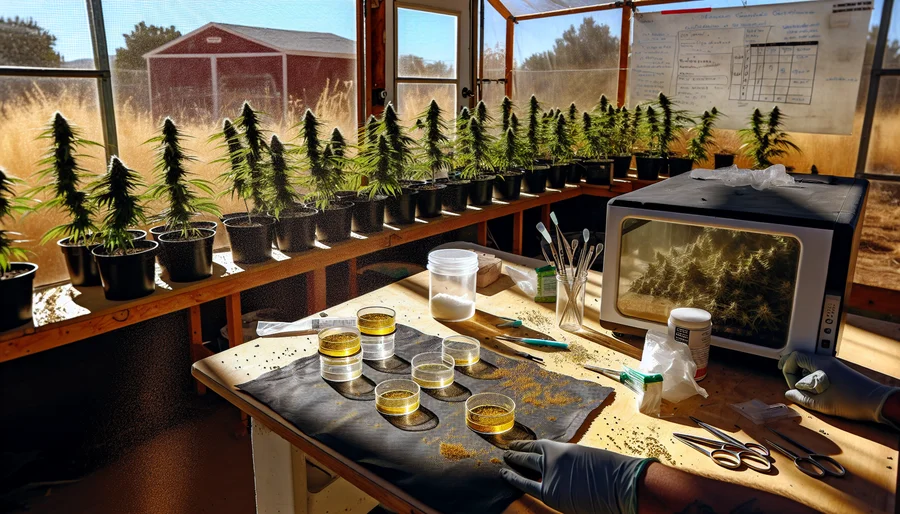
After acquiring cannabis pollen, preparation and application are essential to achieve desired breeding outcomes. Use an artist’s brush or soft applicator to gently distribute pollen onto select female flowers, avoiding others. Meticulously label and track all changes in your grow to ensure repeatability and process understanding.
Phenotypic expression might not be apparent until further cultivation takes place. This requires patience and observation. Many passionate growers keep detailed journals to chronicle plant behaviors, growth patterns, and germination rates, fostering an environment of continuous learning.
Storage and Viability
Cannabis pollen loses viability quickly without optimal storage. To extend its shelf life, store pollen in airtight containers with desiccants to control moisture. Refrigeration can prolong viability, allowing strategic use during optimal growing times.
Test pollen viability through small-scale pollination trials before extensive use. This ensures successful seed production and reduces the risk of wasted efforts during planting cycles. Such precautions ensure that acquiring pollen translates into tangible results for your plants.
The introduction of cannabis pollen opens new possibilities for growers worldwide. Utilizing this tool can lead to novel strains and empowers growers with autonomy over cultivation processes. Informed decisions and adherence to legal considerations unlock these opportunities, showcasing the plant’s vast potential.