If you’re looking to grow Salvia divinorum, you’re not alone. Adventurous gardeners, plant collectors, and ethnobotanical enthusiasts are increasingly drawn to this rare, psychoactive herb. Native to the cloud forests of Oaxaca, Mexico, Salvia divinorum offers both cultural insight and botanical intrigue. Despite its reputation as an exotic plant, growing Salvia divinorum can be a straightforward and rewarding process once you understand its specific needs. Whether you’re a backyard gardener, an indoor plant hobbyist, or simply curious about sacred plants, cultivating this unique species expands your herbal knowledge and garden diversity.
Understanding Salvia divinorum: Cultural Significance and Growth Habits
Salvia divinorum is a perennial member of the mint family (Lamiaceae), traditionally used by Mazatec shamans in spiritual ceremonies. Unlike most herbs, it rarely produces viable seeds, so propagation depends on stem cuttings. This plant thrives in humid, shaded environments, mirroring conditions in its native Sierra Mazateca.
It’s crucial to note that Salvia divinorum is a powerful psychoactive plant. While legal to grow Salvia divinorum in some areas, other regions restrict or prohibit its cultivation. Check your local laws before planting. For example, growing Salvia divinorum is legal in Oregon but banned in states like Louisiana and Delaware.
How to Acquire and Prepare Salvia divinorum Cuttings
Because Salvia divinorum doesn’t reliably produce seeds, most growers start with cuttings. These are available from specialized ethnobotanical nurseries or reputable online vendors. Look for 4–6 inch cuttings with at least two healthy leaf nodes.
Upon arrival, examine your cutting for mold, rot, or pests. Rooting can begin in water, but many growers find more success placing cuttings in a sterile mix of peat, perlite, and vermiculite. Keep the medium evenly moist, not soggy. Covering the pot with a clear plastic dome or bag helps maintain humidity during the rooting phase, which typically takes 10 to 20 days.
Climate and Conditions to Successfully Grow Salvia divinorum
To grow Salvia divinorum effectively, recreate its natural cloud forest environment. The plant flourishes in warm, moist conditions with filtered sunlight. Ideal temperatures range from 60°F to 85°F. If you live in USDA zones below 9, bring plants indoors or place them in a greenhouse when temperatures drop.
Gardeners in humid regions like Florida or the Gulf Coast may find outdoor cultivation easier. In drier areas—such as Arizona or parts of California—supplement humidity with misting systems. Indoors, choose a bright, indirect light source. South-facing windows with sheer curtains work well to replicate forest floor lighting.
Best Soil for Growing Salvia divinorum
Rich, loose soil that drains well yet retains moisture is ideal. Use the following soil mix:
- 2 parts peat moss for moisture and pH balance
- 1 part perlite for aeration
- 1 part compost or worm castings for nutrients
To maintain a slightly acidic to neutral pH (6.0–7.0), add dolomite lime or crushed oyster shells. Fertilize lightly during the growing season using a diluted liquid fertilizer—such as seaweed extract or fish emulsion—every 4–6 weeks. Overfeeding can cause leaf burn, so moderation is key. In cooler regions, enriching soil with forest humus or homemade compost adds beneficial microbes and encourages healthy growth.
Managing Pests and Preventing Common Growth Issues
Though relatively hardy, Salvia divinorum can attract pests like spider mites, aphids, and fungus gnats, especially in high humidity or low airflow environments. Use neem oil sprays weekly or insecticidal soap every 10 days to prevent infestations.
Overwatering is a common problem. Ensure your pots drain well and never leave them sitting in water. Watch for yellowing leaves or wilted stems, signs of root rot or dehydration. Monitor soil moisture by touch and use breathable fabric pots or elevated beds in regions with heavy rain or clay-rich soils.
Harvesting and Handling Salvia divinorum with Care
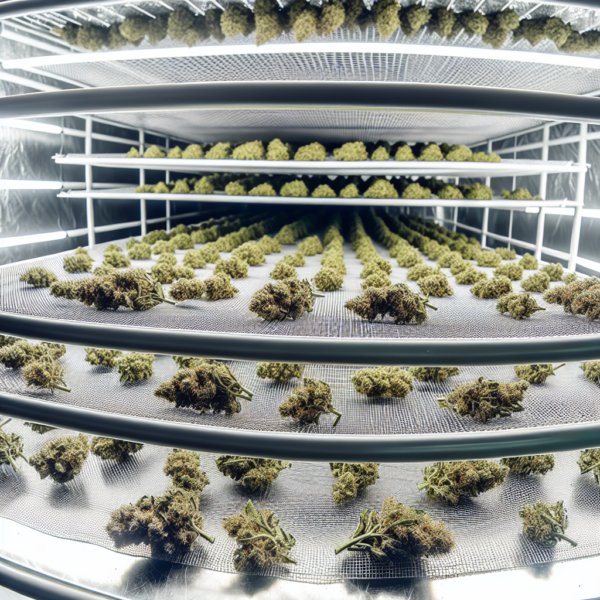
Once your plant is around 3 feet tall with several stems, you can begin harvesting mature leaves. Traditionally, Mazatec shamans use fresh leaves during ceremonies. For preservation, dry them in a dark, ventilated area for 5–7 days, then store in airtight containers to protect the Salvinorin A compound from light and oxidation.
Use responsibly. While some people grow Salvia divinorum for spiritual exploration, it is not suitable for unsupervised recreational use. If you’re cultivating the plant strictly for botanical interest, it makes an excellent and ethical addition to a garden filled with traditional herbs such as mugwort and valerian.
How to Propagate Salvia divinorum for Sharing and Expansion
Once matured, Salvia divinorum is easy to propagate. Use a sterile blade to cut a 4–6 inch stem just below a leaf node. Dip the cut end in rooting hormone and plant it in damp propagation mix. Rooting chambers or plastic humidity covers speed up the process.
Sharing your propagated plants with others encourages community engagement. Urban gardeners in places like San Francisco or Santa Fe often exchange cuttings through local herbalist meetups or gardening co-ops. Join local clubs or online ethnobotanical forums to connect with fellow growers and learn sustainable botanical practices.
Designing Gardens with Salvia divinorum in Mind
Salvia Divinorum’s lush, vibrant foliage fits beautifully into both indoor plant arrangements and shaded outdoor gardens. Pair it with companion plants like lemon balm, passionflower, or mugwort for a low-maintenance, culturally rich plant palette. Families can create “curiosity corners” in the garden to explore cultural and botanical education.
Urban growers might place Salvia in shaded balcony containers alongside trailing herbs. Visitors to botanical gardens—like those in Denver or Berkeley—can find inspiration in educational displays featuring rare medicinal plants, giving insight into practical and respectful cultivation techniques.
Choosing to grow Salvia divinorum is more than a gardening decision—it’s a deeper connection to tradition, spirituality, and plant knowledge. Whether you live in New York, Santa Fe, or Portland, this plant offers an engaging, mindful addition to your garden and your home.