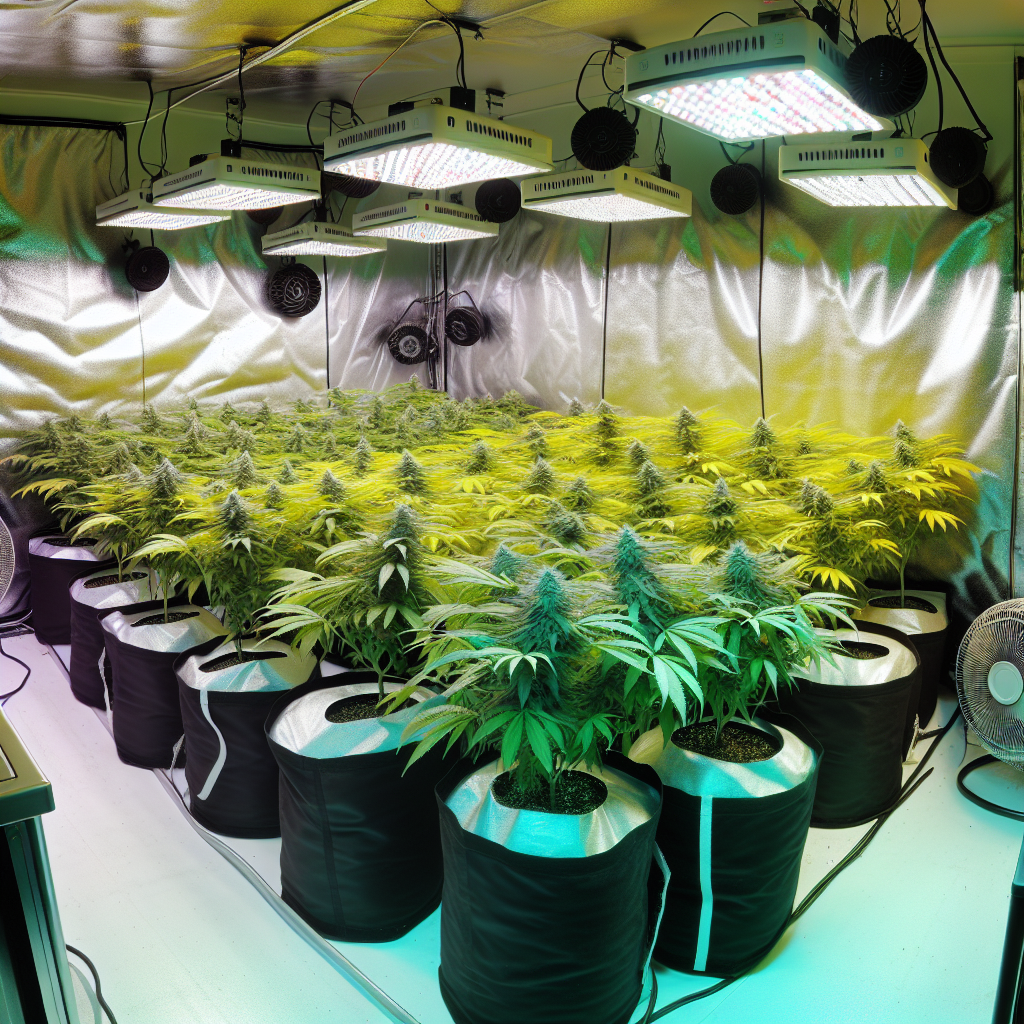
If you’re setting up a grow room for cultivating cannabis indoors, mastering your grow room setup is essential for healthy yields and potent harvests. Whether you’re a seasoned grower or exploring cannabis cultivation as a new hobby, how you design and manage your grow room setup can determine your long-term success.
Choosing the Right Location for Your Grow Room Setup
The first step in planning your grow room setup is selecting the right space. Ideal grow spaces are private, easy to clean, and offer consistent environmental control. While basements and garages are popular for their space and stable conditions, urban growers often opt for spare bedrooms, closets, or grow tents.
Grow tents are a great choice for discreet indoor growing. They offer reflective interiors, light-proof fabric, and built-in vent ports, streamlining your grow room setup. For example, in apartments or condos, placing a grow tent in a walk-in closet allows for convenient light and odor control while maintaining privacy.
Ensure your space has easy access to outlets and water. In multi-family housing, managing smell is just as critical. Installing a carbon filter early in your grow room setup helps maintain discretion—a must in cities like Portland or Denver where home cultivation is common but privacy still matters.
Lighting: The Engine of Your Indoor Grow Room Setup
Lighting is the lifeblood of any effective grow room setup. Since indoor cannabis plants rely entirely on artificial light, the type and intensity you choose directly affects plant health, yield, and potency. Most home growers use High-Pressure Sodium (HPS), Metal Halide (MH), or LED lights.
MH bulbs work well for vegetative stages, while HPS lights support larger yields during flowering. However, they generate considerable heat. LED grow lights, like the Spider Farmer SF-2000, have become top choices thanks to their low heat output, energy efficiency, and full light spectrum. Many models include dimmers and timers, simplifying light cycle management.
Use a timer to keep consistent light schedules: 18–24 hours during vegetation, 12 hours during flowering. This consistency strengthens your grow room setup and prevents plant stress from irregular lighting.
Maintaining the Right Indoor Environment
Replicating nature indoors means maintaining precise temperature, humidity, and airflow. Good environmental control is fundamental for a productive grow room setup. Ideal daytime temperatures range between 70–85°F, dropping slightly at night. Humidity should sit between 40% and 60%, depending on your plant’s stage.
Seedlings prefer higher humidity (around 60%), while flowering plants need drier conditions to prevent mold. A hygrometer and thermometer combo like the ThermoPro TP65 lets you track these elements easily.
Install an efficient exhaust system with intake and outtake fans to maintain air circulation and CO₂ balance. Oscillating fans strengthen stems and prevent hot spots. In humid areas like coastal Oregon, dehumidifiers are essential during late flowering. In contrast, Arizona growers often use humidifiers during early growth stages for moisture retention.
Growing Mediums and Container Selection
Another key element of an optimized grow room setup is choosing the right growing medium. Common choices include organic soil, coco coir, and hydroponics. Beginners often prefer soil for its natural nutrients and forgiveness, while advanced growers may opt for coco coir’s drainage or hydroponics’ speed.
Fabric pots, such as 3–5 gallon Grow Bags, offer excellent aeration and drainage. They help prevent root bound issues through air pruning and encourage stronger root structures. Fill your pots with a soil mix containing compost, worm castings, and perlite to provide balanced nutrition and airflow.
In eco-conscious cities like San Francisco, many growers take a sustainable approach by building living soil systems that allow reuse. This not only supports organic growing but also reduces waste—an important aspect for medical cannabis cultivation.
Nutrients and Customized Feeding Schedules
Supporting your plants with the right nutrients is another crucial part of your grow room setup. Indoor cannabis requires different nutrients for each growth phase: high nitrogen during vegetation and increased phosphorus and potassium for flowering.
Well-known product lines like Fox Farm’s Trio—Grow Big, Big Bloom, and Tiger Bloom—offer straightforward feeding schedules tailored to each stage. Keep the pH between 6.0–7.0 for soil and 5.5–6.5 for hydroponic systems to ensure optimal nutrient absorption.
To avoid nutrient burn, begin with half-strength feedings and increase gradually. Many Colorado growers recommend flushing your medium every two weeks with pure, pH-balanced water to prevent salt buildup and maintain healthy root zones.
Odor Control and Discreet Growing Techniques
Smell management is vital for any indoor grow room setup. Cannabis plants produce strong scents that can easily leak into hallways or outdoor spaces. A carbon filter paired with an inline exhaust fan remains the gold standard for odor elimination.
Grow tents already contain smells better than open rooms, and when combined with high-quality activated charcoal filters, they significantly reduce odor risks. In cities like Los Angeles, even where cultivation is legal, maintaining discretion ensures neighborly peace and personal privacy.
Some growers go further by creating lung rooms with pre-filtered air chambers for added scent control. While sprays or air purifiers may mask the scent temporarily, carbon filtration remains the most effective long-term solution within your grow room setup.
Grow Room Safety and Legal Considerations
Security and compliance are non-negotiable elements of a smart grow room setup. Many states such as Michigan, California, and Massachusetts allow home growing but enforce plant limits, licensing rules, and building requirements.
Keep your grow area locked and securely enclosed. Use childproof locks and avoid placing grow tents near public-facing windows. Installing security features like motion detectors or cameras can help monitor access. Always keep cultivation separate from main living areas, especially in homes with children.
Some municipalities, like Boulder, Colorado, require permit-approved electrical work for grow light systems. Always consult with a licensed electrician familiar with cannabis compliance to ensure fire safety and electrical code adherence.
Designing the Perfect Indoor Grow Room Setup
A strong grow room setup is built on planning, knowledge, and the right gear. By selecting the right space, installing proper lighting, maintaining the environment, and complying with local laws, you’ll build a system that delivers consistent yields indoors year-round.
From families cultivating CBD-rich strains like Harlequin to recreational users growing heirloom sativas, a personalized grow room setup brings control, privacy, and reward. With informed decisions, responsible practices, and adaptable tools, you can turn almost any space into a thriving cannabis garden.