Vermont marijuana laws allow adults age 21 and older to possess, use, and grow limited amounts of cannabis. The state also licenses retailers to sell tested cannabis products. However, public use, impaired driving, and unlicensed sales remain illegal.
This guide summarizes the rules for adult use, home cultivation, retail purchases, medical cannabis, and travel. Cannabis laws can change, so confirm current requirements with the Vermont Cannabis Control Board.
What Vermont marijuana laws allow adults to do
Possession limits
An adult may possess up to one ounce of cannabis or five grams of hashish. Possessing more can lead to civil or criminal penalties, depending on the amount and circumstances.
Adults may give legal amounts of cannabis to another adult without accepting money, goods, or services. Vermont treats paid “gifting” arrangements as unlicensed sales.
Home cultivation
Adults may grow up to two mature cannabis plants and four immature plants per dwelling. These limits apply to the entire property, regardless of how many adults live there.
Growers must keep plants away from public view and restrict access by children and unauthorized people. A landlord may limit cultivation through a lease, so renters should review their agreements before planting.
Cannabis harvested from legal homegrown plants does not count toward the one-ounce limit while properly stored at the cultivation property. Growers should secure the harvest indoors and prevent unauthorized access.
Legal cannabis purchases
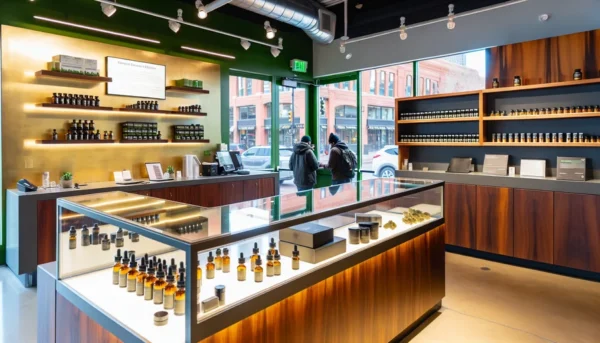
Only businesses licensed by the Vermont Cannabis Control Board may sell recreational cannabis. Customers must show valid identification proving they are at least 21 years old.
Retailers may sell flower, concentrates, edibles, and other approved products within state limits. Vermont requires product testing and labeling for licensed cannabis.
Recreational purchases carry a 14% cannabis excise tax and Vermont sales tax. A local option tax may also apply in participating municipalities.
Where cannabis use remains illegal
Public places
Vermont does not allow cannabis use in public places. This restriction covers streets, sidewalks, parks, schools, workplaces, and many businesses open to the public.
Property owners may prohibit smoking or cannabis use on their premises. Hotels, rental properties, and event venues can set their own policies.
Vehicles and impaired driving
Drivers may not operate a vehicle while impaired by cannabis. Vermont does not use a fixed THC level to establish impairment in every case.
Police may rely on driving behavior, field observations, chemical testing, and other evidence. A passenger should also avoid using cannabis inside a vehicle.
Keep cannabis in its original sealed package or another closed container while traveling. Store it outside the passenger area when possible.
Federal property and state borders
Federal law still classifies marijuana as an illegal controlled substance. Do not possess or use it on federal property, including national parks and certain government buildings.
Never carry cannabis across a state or international border. Federal law prohibits interstate transport even when both states allow adult use.
Travelers also may not mail cannabis or place it in checked or carry-on luggage for interstate flights. Vermont legalization does not override federal transportation rules.
Retail cannabis rules in Vermont
Local approval for stores
Vermont municipalities must approve retail cannabis sales before a store can open within their borders. Local governments may also apply zoning and business rules.
A town may decline to host cannabis retailers, but it cannot cancel statewide possession rights. Adults must still follow restrictions on public use and private property.
Purchase and product limits
Licensed retailers must follow state transaction limits and verify each customer’s age. They must also track inventory and sell products that meet testing standards.
Product rules may differ for flower, concentrates, vaporizers, and edibles. Check labels for THC content, serving size, ingredients, and required warnings.
Keep edible cannabis in its original child-resistant package. Store every product where children and pets cannot reach it.
Medical cannabis in Vermont
Vermont maintains a Medical Cannabis Registry for eligible patients and caregivers. Registered participants may access medical dispensaries and follow rules that differ from the adult-use system.
Medical possession, purchase, and cultivation limits can change through legislation or Cannabis Control Board regulations. Patients should consult current registry guidance before buying or growing cannabis.
A medical card does not permit impaired driving or use in prohibited locations. Employers and property owners may also enforce applicable workplace, smoking, and lease policies.
Employment and rental housing
Workplace policies
Adult-use legalization does not require employers to permit cannabis possession, use, or impairment at work. Employers may maintain drug-free workplace policies and address safety concerns.
Testing and disciplinary rules depend on the employer, job duties, contracts, and applicable law. Employees should read workplace policies before using cannabis outside working hours.
Landlords and tenants
Landlords may prohibit smoking inside rental units and shared areas. Lease terms may also restrict cannabis cultivation or other conduct on the property.
Tenants should request written clarification if a lease does not address cannabis. State possession rights do not guarantee permission to smoke or grow in a rental home.
Penalties and past cannabis records
Vermont uses different penalties based on the amount, conduct, and age of the people involved. Selling without a license, supplying minors, and possessing large quantities can bring criminal charges.
The state has cleared many past low-level cannabis convictions through automatic expungement legislation. Eligibility depends on the offense and court record.
Anyone with an unresolved charge or older conviction should contact the relevant court or a Vermont attorney. Court staff can also explain how to request records.
Common questions about legal cannabis in Vermont
How old must you be to buy cannabis?
You must be at least 21 years old to purchase recreational cannabis. Retailers require a valid government-issued photo ID.
Can you smoke cannabis anywhere on private property?
No. The property owner, lease, workplace policy, or venue rules may prohibit smoking and cannabis use. Local fire and nuisance regulations can also apply.
Can you bring cannabis home from another state?
No. Crossing a state border with cannabis violates federal law, regardless of where you purchased it.
Can adults sell homegrown cannabis?
No. Adults may transfer limited amounts without payment, but only licensed businesses may sell cannabis. Accepting money or something valuable can turn a gift into an illegal sale.
Does legalization protect employees from drug testing?
Vermont’s adult-use law does not provide broad protection from workplace testing or discipline. Specific rights depend on the job, employer policy, and applicable employment laws.
Following Vermont’s cannabis rules
Vermont marijuana laws give adults limited rights to possess, purchase, and cultivate cannabis. Those rights do not cover public consumption, impaired driving, interstate transport, or unlicensed sales.
Buy only from licensed retailers, secure cannabis at home, and respect property rules. For current regulations, licensing information, and medical guidance, consult the Vermont Cannabis Control Board.