The salvia effects experienced by users are among the most intense and unique of any psychoactive plant known today. Salvia divinorum—a potent herb deeply rooted in Mazatec shamanic tradition from Oaxaca, Mexico—offers a brief yet powerful hallucinogenic journey. Though salvia remains outside mainstream psychedelic culture, curiosity around its consciousness-altering properties continues to grow. For spiritual seekers, cultural adventurers, and plant medicine explorers, understanding salvia’s effects through both scientific insight and indigenous wisdom is vital to safe and respectful use.
What Is Salvia Divinorum?
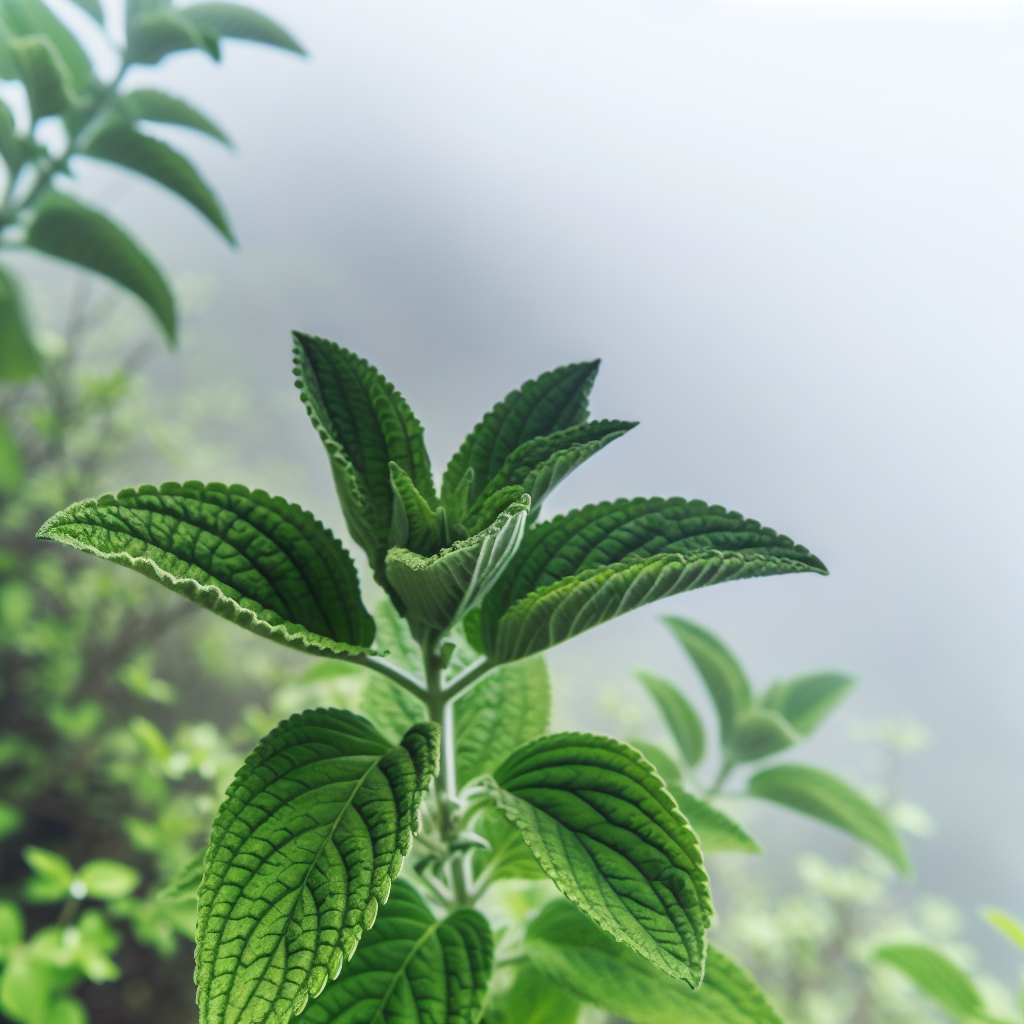
Salvia divinorum is a rare perennial herb from the mint family (Lamiaceae) native to the Sierra Mazateca cloud forests of Oaxaca. It thrives in damp, shaded environments at elevations between 1,000 and 2,000 meters. With its broad green leaves and square stems, it resembles other mints, yet its psychoactive profile is unique. Indigenous Mazatec shamans have long used salvia ceremonially, chewing fresh leaves or preparing infusions for healing and divination.
Its primary active compound, salvinorin A, is distinct in how it works. Rather than engaging serotonin pathways like psilocybin or LSD, salvinorin A targets the brain’s kappa-opioid receptors. This sets it apart from most hallucinogens and contributes to the fast-onset, short-duration salvia effects such as dissociation, vivid visuals, and emotional intensity.
The plant’s legal status varies significantly around the world. In Mexico, salvia remains protected within indigenous cultural practice, while in parts of the United States and Europe, it’s controlled or banned entirely. Always research local regulations before exploring salvia, and consider culturally conscious guidance—especially when traveling into traditional Salvia-using regions.
Understanding the Range of Salvia Effects
The effects of salvia can be overwhelming, particularly for first-time users. When smoked or vaporized, its impact begins within seconds and may last 5 to 15 minutes. Chewing fresh leaves can produce a slower onset, with effects fading over 1 to 2 hours. Unlike smoother entries from cannabis or psilocybin, salvia often launches users into rapid and unpredictable altered states.
Commonly reported salvia effects include:
- Intense visual distortions: Users may witness kaleidoscopic visions, morphing shapes, and shifting colors.
- Dissociation from self and body: Many describe leaving their physical form or blending into surrounding objects.
- Disrupted time and space: Time can feel cyclical or frozen; spaces may stretch or disappear altogether.
- Emotional fluctuations: Feelings can swing from joy and hilarity to fear or confusion within moments.
- Loss of physical coordination: Many lose balance or awareness, highlighting the importance of a supervised setting.
Some users compare salvia to lucid dreaming or virtual reality—a surreal dive into inner landscapes. As such, it should be approached with respect and caution. Set and setting, as guided by traditional wisdom, are essential. Never use salvia alone, and avoid casual experimentation, especially among wellness groups or solo travelers unfamiliar with entheogens.
Traditional Use in Huautla de Jiménez
In the heart of the Sierra Mazateca lies Huautla de Jiménez, a town with deep ties to the ceremonial use of Salvia divinorum. Celebrated as the home of renowned curandera María Sabina, Huautla has become a point of pilgrimage for seekers interested in authentic plant-based healing.
Various eco-conscious retreats in the region offer guided ceremonies led by indigenous practitioners. These experiences incorporate not just the plant, but also Mazatec music, prayer, and ethical fasting—framing salvia within its sacred context. Participants are encouraged to seek centers like Centro Ceremonial Mazateco, which honor indigenous traditions and foster safe spiritual exploration.
The area also boasts natural wonders, such as the Agua de los Santos waterfall and the Sótano de San Agustín cave system. While not directly tied to salvia’s effects, these sites reveal the nature-based cosmology from which salvia rituals emerged. For families or visitors more interested in cultural immersion than altered states, these locations provide meaningful alternatives.
Modern Interest and Psychoactive Plant Tourism
As global psychedelic tourism expands—from ayahuasca in Peru to cannabis retreats in California—salvia remains under the radar. However, curiosity persists among niche travelers, spiritual explorers, and herbal enthusiasts. In unregulated regions, some seek out salvia via black market exchanges or online vendors. These paths carry risks, from impure extracts to incorrect usage guidelines, and can amplify the plant’s already unpredictable intensity.
Safer alternatives include educational visits to herbal apothecaries and botanical centers. In places like Oaxaca City, stores such as La Ceiba Botanicals offer ethically sourced salvia leaves alongside guidance for those curious about natural psychoactives. While not ceremonial, these spaces can introduce salvia in a respectful, low-risk setting.
For wellness-focused tourists and families, cultural workshops and community-led discussions offer ideal ways to explore without direct ingestion. Destinations like the Jardín Etnobotánico de Oaxaca present indigenous plants—including salvia—alongside historical narratives that emphasize conservation and cultural respect.
Safe Use Guidelines for Salvia Divinorum
Due to its unique psychoactive profile, structured safe use is essential when exploring salvia. From inexperienced travelers to mindful psychonauts, responsible use requires preparation, support, and knowledge.
Follow these key safety recommendations:
- Always have a sober sitter: Even seasoned users report loss of bodily control. A guide ensures physical safety and emotional grounding.
- Begin with low doses: Especially with extracts, salvia’s potency can escalate rapidly. Use fresh or dried leaf when possible for softer entry.
- Choose calm, secure settings: Avoid public places or chaotic environments. Minimize noise, visual distractions, and sharp objects.
- Plan timing wisely: Allocate time for the journey and the post-experience integration. Avoid driving or immediate post-trip activities.
- Integrate the experience: Journaling or speaking with an experienced coach can help users process what they saw or felt during the state.
For travelers, connecting with integration circles or online mentors can provide post-use support. Most importantly, those unfamiliar with strong entheogens should avoid recreational experimentation. Instead, consider learning through observation, indigenous storytelling, or guided nature walks exploring the plant’s native environment.
Honoring Salvia Effects and Indigenous Wisdom
Though it may be legally accessible in some regions, salvia should never be lumped into the category of “party drugs.” Its distinctive interaction with kappa-opioid receptors creates altered states unlike those from LSD, psilocybin, or cannabis. More importantly, its cultural significance within Mazatec tradition demands reverence, not just curiosity.
Exploring salvia effects starts with cultural understanding, scientific literacy, and spiritual intention. Whether you’re a traveler in Oaxaca’s highlands or a plant enthusiast seeking knowledge, let your journey with salvia begin through respectful learning—honoring the people, forests, and rituals that keep this sacred plant alive.