Starting a professional grow facility in regions where marijuana cultivation is legal offers both a lucrative business opportunity and a meaningful entry into the expanding cannabis industry. Whether you’re a local entrepreneur, an agricultural family seeking diversification, or an investor exploring new territory, this guide provides practical steps, hidden opportunities, and critical details to help you succeed. From zoning laws and environmental strategy to facility design and cultural integration, we explore everything you need to know to navigate the complex world of legal cannabis cultivation.
Understanding Legal Requirements for a Professional Grow Facility
Launching a professional grow facility begins with adhering to local, state, and federal legal requirements. While marijuana remains federally classified as a Schedule I substance in the United States, states like Colorado, Oregon, and Massachusetts allow commercial cultivation through carefully regulated licensing processes.
Each jurisdiction has its own set of rules. For example, Colorado defines licensed facilities under the Medical Marijuana Optional Premises Cultivation License and the Retail Marijuana Cultivation Facility License. These require background checks, financial disclosures, zoning compliance, and site inspections. Successful applicants coordinate with local zoning boards, state cannabis control commissions, and public health departments.
At the municipal level, regulations can become even more specific. In Portland, Oregon, cannabis cultivation facilities must meet energy efficiency standards and implement odor control systems. Consulting an attorney skilled in cannabis law ensures your application process avoids preventable errors. Additionally, engaging early with community stakeholders and hosting local information sessions can foster support and reduce regulatory hurdles.
Choosing the Right Location: Zoning, Climate, and Culture
Finding the best location for your professional grow facility requires more than just legal eligibility. While zoning laws determine where you may cultivate cannabis, other factors such as microclimate, access to utilities, and transportation routes greatly influence success and sustainability.
Hidden gem regions like Trinidad, Colorado or Medford, Oregon provide affordable land, an agriculture-friendly culture, and cannabis-experienced local vendors. In California, Humboldt and Mendocino counties boast legacy infrastructure ideal for transitioning into compliant cultivation operations.
Consider converting vacant greenhouses, such as those in Salinas, California, which already meet agriculture codes and offer climate control. Meanwhile, industrial zones in cities like Worcester, Massachusetts are ideal for purpose-built indoor facilities, providing access to power, labor, and distribution networks—all key to efficient scale-up.
Designing a Professional Grow Facility for Efficiency and Compliance
The design of your professional grow facility directly affects operational efficiency, crop quality, and sustainability. Whether you choose an indoor, outdoor, or hybrid greenhouse model, each method has trade-offs in cost, control, and environmental impact.
Indoor grows, common in urban hubs like Denver, offer precise control over light, humidity, and temperature—essential for producing consistent, high-THC products. However, these facilities demand large energy inputs. Conversely, greenhouse systems, like those in the Santa Ynez Valley, reduce energy dependence by using natural sunlight alongside supplemental tech.
Compliance is crucial. States like Massachusetts require perimeter fencing, 24/7 video surveillance, and restricted access zones. Efficiency-oriented layouts include:
- Propagation rooms with automated humidity control
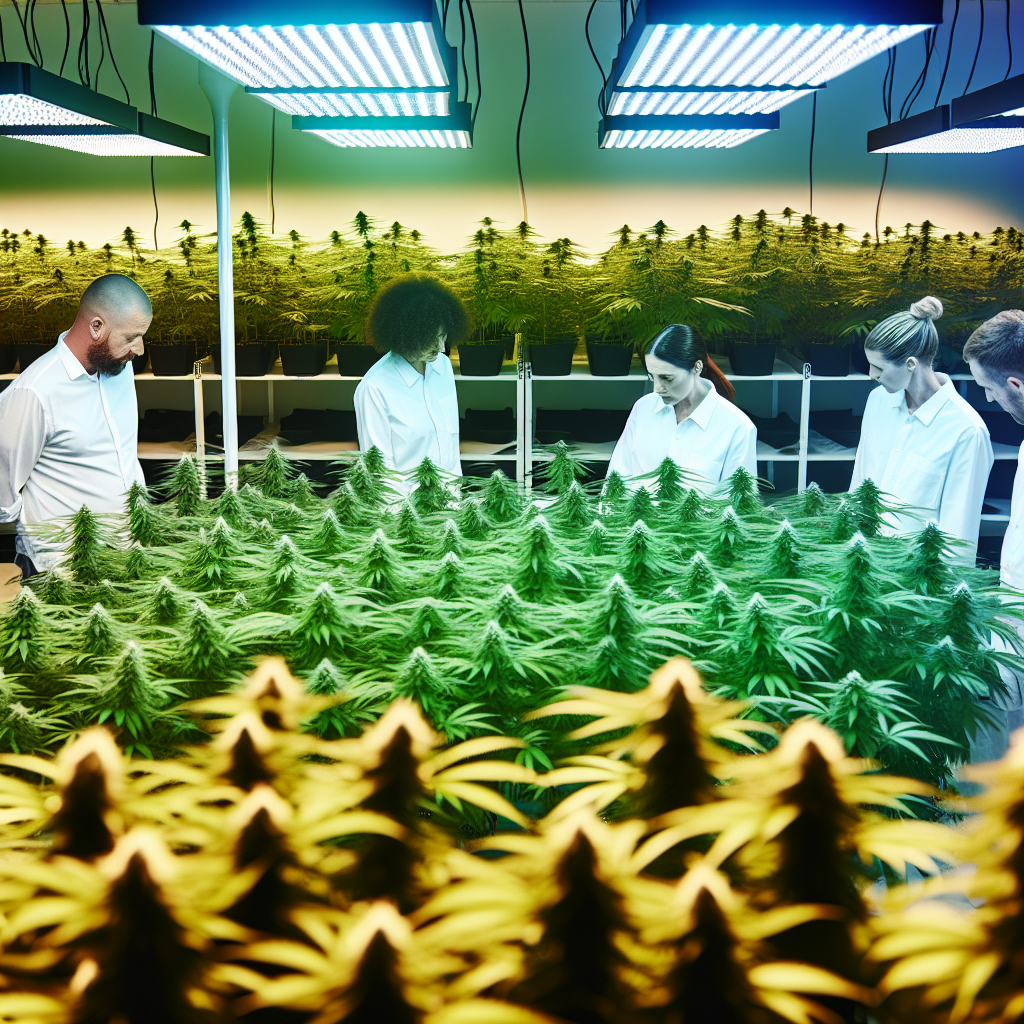
- Light cycle-managed vegetative and flowering areas
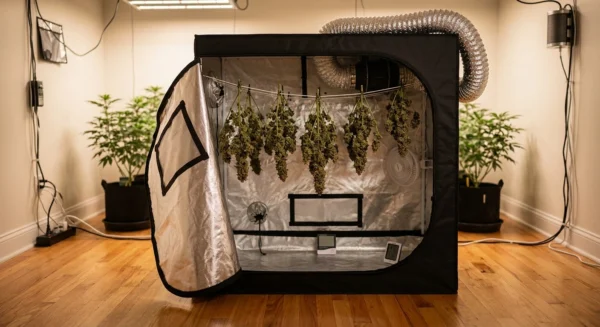
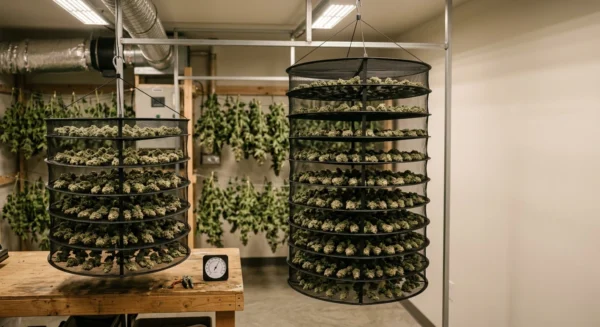
- Climate-regulated drying and curing spaces
- Packaging and trimming stations designed for workflow
- Centralized security monitoring zones
Utilize smart HVAC and drip irrigation systems to reduce resource use. Partners like Argus Controls and Priva offer grow automation that improves consistency while minimizing human error. Bringing in a cannabis-focused design consultant, such as Urban-Gro or Agrify, can further streamline your buildout and speed time-to-market.
Assembling a Skilled Team and Setting Operational Foundations
A high-performing professional grow facility is only as strong as its team. Start by hiring a seasoned head grower—often called a master grower—with proven cannabis cultivation expertise. This individual anchors the operation and understands plant biology, nutrient management, and production scale-up.
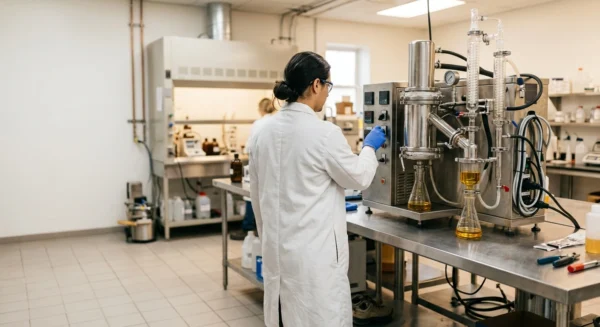
Round out your team with trained trimmers, compliance officers, propagation leads, pest management experts, and sales managers. As your business expands, skilled operators in packaging, processing, and product development become crucial—especially for diversification into edibles, concentrates, or tinctures.
Many institutions now offer cannabis-centric education; Northern Michigan University and Oaksterdam University lead certified programs in cannabis horticulture and business management. Ensure team members are trained in local cannabis laws. Most states, such as Illinois and Nevada, require background checks and employee ID badges for all cannabis workers. Use seed-to-sale tracking systems like METRC or BioTrackTHC for compliance and inventory audits.
Community Relationships and Local Partnerships
A successful professional grow facility becomes integrated into the local economy and culture. Build goodwill early by connecting with local suppliers, nonprofits, and community leaders. Doing so supports smoother permitting and zoning reviews while opening the door to valuable collaborations.
Source local materials when possible—organic compost, pest solutions, and soil mixes adapted to local conditions are often available through agricultural cooperatives in towns like Pueblo, Colorado or Eugene, Oregon. Hiring locally not only supports the economy but often strengthens community perception and engagement.
Public education can reduce stigma and align your brand with transparency. Host guided facility tours or workshops in cannabis-forward tourism hubs like Durango, Colorado or Santa Rosa, California. Look to models such as Emerald Farm Tours or the Cannabition Museum for inspiration on community connection and experiential marketing.
Incorporating Sustainability into Your Cultivation Strategy
Today’s cannabis consumers—and regulators—favor sustainability. Building eco-conscious systems into your professional grow facility boosts brand reputation while lowering long-term operational costs.
Standard practices include LED lighting, rainwater harvesting, and closed-loop irrigation. In Santa Rosa, grow operations often use solar panels and geothermal controls to minimize energy loads. Certifying with groups like Clean Green, Dragonfly Earth Medicine, or Sun+Earth Certified adds marketing value and signals environmental responsibility.
Utilize living soil systems and integrated pest management (IPM) to eliminate synthetic inputs. This not only results in more robust terpene and cannabinoid profiles but also appeals to organic-conscious consumers. Outdoor growers in regions like Oregon’s Rogue Valley benefit from full-spectrum sunlight and lower overhead, though seasonal variability must be factored into planning.
Scaling Up: Wholesale, Retail, and Consumer Experiences
Once your professional grow facility reaches steady production, opportunities for expansion emerge through direct-to-consumer models, wholesale partnerships, or branded retail stores. Some states, including Michigan, offer microbusiness licenses allowing grow operations to integrate processing and sales under one roof.
Build relationships with established dispensaries like CuraLeaf or MedMen for distribution. Alternatively, consider private-label agreements with wellness and CBD brands expanding into cannabis. Diversifying through strategic retail partnerships enhances brand reach and creates predictable revenue streams.
In tourism-rich cities such as Portland and Denver, turn your grow site into an attraction. Cannabis farm tours, yoga-infused wellness retreats, and regenerative workshops create immersive brand experiences. Companies like Sensi Trails and Flow Kana have succeeded in blending agritourism with brand storytelling for added visibility and revenue.
Creating a Cannabis Legacy with Strategic Precision
Building a professional grow facility requires more than cultivation expertise. Success comes from aligning agricultural innovation, legal diligence, sustainability, and community engagement. Whether you’re growing in Oregon, Colorado, or New York, a thoughtful approach sets the foundation for long-term industry relevance.
A well-run grow operation contributes to the local economy, supports sustainable practices, creates jobs, and embodies responsible cannabis entrepreneurship. With planning, passion, and precision, your facility can become not just a business, but a thriving cornerstone in a dynamic and growing industry.