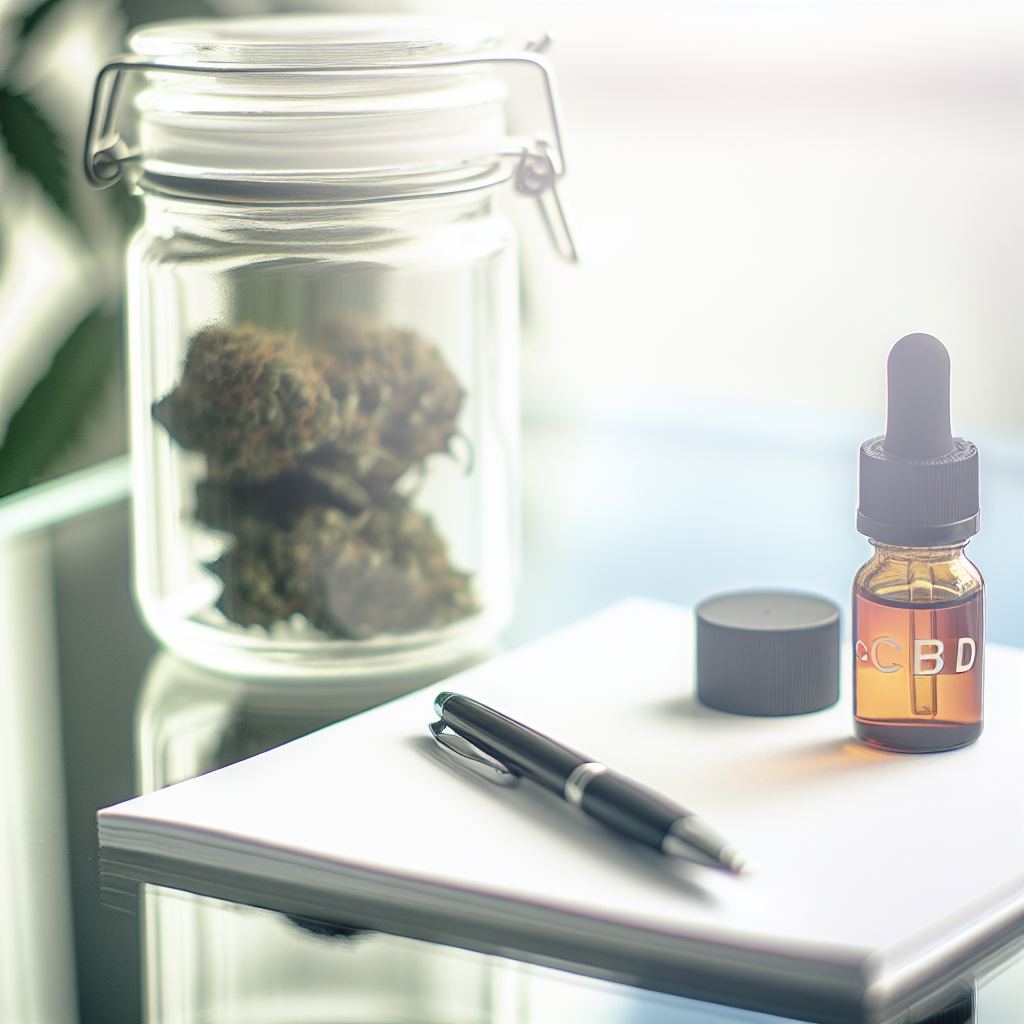
The use of medical marijuana bipolar disorder treatments is an emerging area of interest as more regions expand access to medical cannabis programs. Individuals with bipolar disorder—a condition marked by extreme mood shifts between depression and mania—are exploring medical marijuana as a possible therapeutic option. Affecting approximately 4.4% of U.S. adults at some point in their lives, bipolar disorder often requires long-term treatment. With conventional medications sometimes producing uncomfortable side effects or limited results, patients are seeking alternative approaches that align with their health goals and lifestyle.
What Is Bipolar Disorder and How Are Traditional Treatments Limited?
Bipolar disorder is a lifelong mental health condition that disrupts mood, energy, sleep, and activity levels. These mood fluctuations include manic episodes (characterized by high energy, impulsive decisions, or irritability) and depressive periods defined by fatigue, hopelessness, and disinterest in daily life.
Mood stabilizers, anticonvulsants, and antipsychotics—such as lithium, valproate, and quetiapine—are the standard pharmacologic tools. Although effective for some, these medications often involve side effects like nausea, cognitive dulling, and sexual dysfunction. Additionally, it may take weeks for noticeable improvements, making it difficult for patients to stay consistent with their treatment plans.
Frustration with traditional medications has led some patients and researchers to explore adjunctive solutions like medical marijuana for bipolar disorder. While evidence remains limited and mixed, some users report symptom relief involving anxiety, sleep disruption, or mood instability.
How Medical Marijuana Affects Bipolar Symptoms
The primary compounds in cannabis—THC (tetrahydrocannabinol) and CBD (cannabidiol)—influence mood and stress through the endocannabinoid system. This internal network of receptors helps regulate emotional balance, sleep cycles, and appetite, which are often disturbed in bipolar disorder.
Research into CBD is growing, especially its possibility as a mood-stabilizing and antipsychotic agent. CBD-heavy strains or extracts may help curb anxiety and enhance sleep without causing a “high.” For individuals prone to depressive episodes, products with a balanced THC-to-CBD ratio might restore motivation without promoting manic states—depending on personal brain chemistry and dosage.
However, caution is essential. High-THC strains can potentially worsen or initiate manic episodes, particularly in people with a history of bipolar I disorder. Therefore, identifying the right cannabinoid composition and delivery method is crucial for successful integration. Anyone considering medical marijuana bipolar disorder therapy should consult a qualified provider to guide treatment decisions.
Patient Experiences and Case Insights
Though bipolar disorder isn’t always recognized as a standalone qualifying condition for medical cannabis, overlapping symptoms—such as chronic pain, insomnia, anxiety, or PTSD—frequently meet medical program criteria. States like California and Colorado offer broader discretion, allowing healthcare providers to recommend cannabis when conventional treatments fall short.
For example, a 32-year-old remote worker in Boulder, Colorado, transitioned from traditional medications to a dual cannabis routine: a high-CBD morning tincture and a balanced 1:1 THC:CBD vape at night. She describes experiencing more stable energy, better sleep, and increased capacity for hiking in locales like Eldorado Canyon State Park without feeling overwhelmed by mania or weighed down by depression.
In Santa Rosa, California, a retired veteran dealing with PTSD and bipolar II disorder uses a 10:1 CBD:THC tincture under a cannabis-specialized physician’s supervision. Microdosing helped him manage irritability and sleep deprivation, allowing regular outdoor activities like kayaking in Bodega Bay and hiking around Armstrong Redwoods to become therapeutic rather than stressful.
These stories emphasize the importance of individualized plans, dosage monitoring, and expert guidance when using medical marijuana for bipolar disorder.
Effective Tips for Medical Marijuana Use in Bipolar Disorder Treatment
Strategic use of cannabis can enhance emotional regulation for individuals with bipolar disorder. Here are best practices to help ensure positive outcomes:
- Start low, go slow: Begin with minimal doses. Monitor reactions closely to avoid triggering mood instability, especially with THC-dominant strains.
- CBD-forward strains: Seek out strains like Harlequin, ACDC, or Cannatonic. These are typically low in THC and high in CBD, promoting calm without the mind-altering effects.
- Dosing techniques: Tinctures, capsules, and vape pens allow for precise, adjustable dosing. Edibles may have inconsistent absorption and delayed effects, increasing the risk of overuse.
- Document results: Use tracking tools like mood journals or cannabis-specific apps (e.g., Releaf or Strainprint) to record reactions, dosage, and symptom flare-ups for future adjustment.
- Choose beneficial environments: Support usage with grounding activities such as walking in nature preserves, visiting botanical gardens, or attending calming public spaces. This combination fosters emotional balance and body awareness.
Incorporating medical marijuana bipolar disorder routines into structured wellness plans—which may include yoga, forest bathing, or talk therapy—can improve mood stability and enhance daily functioning.
Understanding Legal Access and State-by-State Differences
Legal access to medical marijuana depends heavily on location. Most U.S. states don’t explicitly name bipolar disorder as a qualifying diagnosis. Even so, patients often receive medical approval under diagnoses like anxiety, insomnia, or PTSD. If you’re traveling—whether to Acadia National Park or Yellowstone—it’s vital to know state-specific policies. Cannabis cannot legally cross state lines, regardless of legality on both ends.
International travel presents additional risks and requirements. In Canada, medical and recreational cannabis use is fully legal, though bipolar disorder isn’t a designated qualifying condition. Registered cannabis pharmacies in countries like the Netherlands may offer access, but procedures vary by region. Travelers should schedule evaluations with local providers when possible and avoid travel through nations with strict drug laws such as Singapore, the UAE, and Japan, where possession may lead to imprisonment.
Staying informed and planning ahead ensures compliance with evolving laws and supports safe use abroad or during vacation.
The Future of Research and Holistic Treatment Approaches
While anecdotal results point to potential relief, there remains limited scientific consensus about the efficacy of medical marijuana for bipolar disorder. More large-scale, peer-reviewed clinical studies are needed to inform safe usage, best cannabinoid ratios, and long-term impact assessments.
Research initiatives at institutions like Harvard Medical School and universities in Israel are exploring how cannabinoids, especially CBD, may serve as viable adjuncts to conventional bipolar treatment. Support from organizations such as MAPS and NORML is driving funding and pushing toward federal rescheduling, which would open the door for broader clinical trials.
Until more definitive research emerges, patients exploring medical marijuana bipolar disorder therapy should seek care at licensed dispensaries with medical staff familiar in neuropsychiatric cannabis use. Having a supportive care team, including a psychiatrist and cannabis-trained clinician, can ensure better outcomes and minimize risks.
As policy, science, and social acceptance continue evolving, medical marijuana has the potential to become a valuable tool in the multidimensional management of bipolar disorder—offering hope and improved quality of life to those navigating this often complex condition.