Cannabis and parenting is an increasingly relevant topic as more adults explore cannabis for wellness, stress relief, or recreational use. With evolving laws, shifting norms, and expanding public education, parents today are navigating new territory. This guide clarifies misconceptions, provides legal insights, and offers practical strategies to help parents responsibly integrate cannabis into their lifestyles while safeguarding their families.
Understanding the Stigma Around Cannabis and Parenting
For many years, cannabis was demonized by policy and media, casting a long shadow over parenthood. Parents who consumed cannabis were often judged harshly—or worse, feared legal consequences like child protective services intervention. Although public opinion is shifting due to legalization and research, lingering stereotypes still discourage open conversations.
Thankfully, increased education is transforming the narrative. Just as parents might responsibly enjoy a glass of wine, many now recognize that responsible cannabis use can coexist with safe, effective parenting. The key is intention, moderation, and transparency.
Dispelling stigma starts with understanding. Cannabis use doesn’t imply negligence—it’s how, when, and why it’s used that matters. Whether exploring low-THC options, understanding the differences between CBD and THC, or mindfully setting consumption boundaries, modern parents are making intentional choices rooted in accountability and well-being.
Safety First: Responsible Storage of Cannabis Products
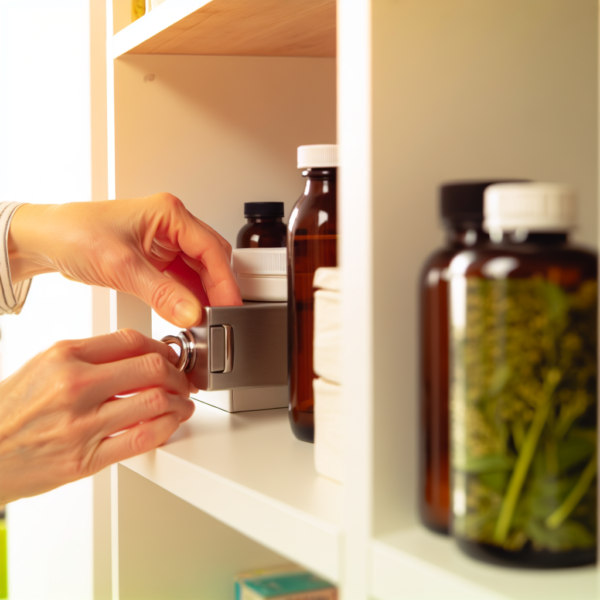
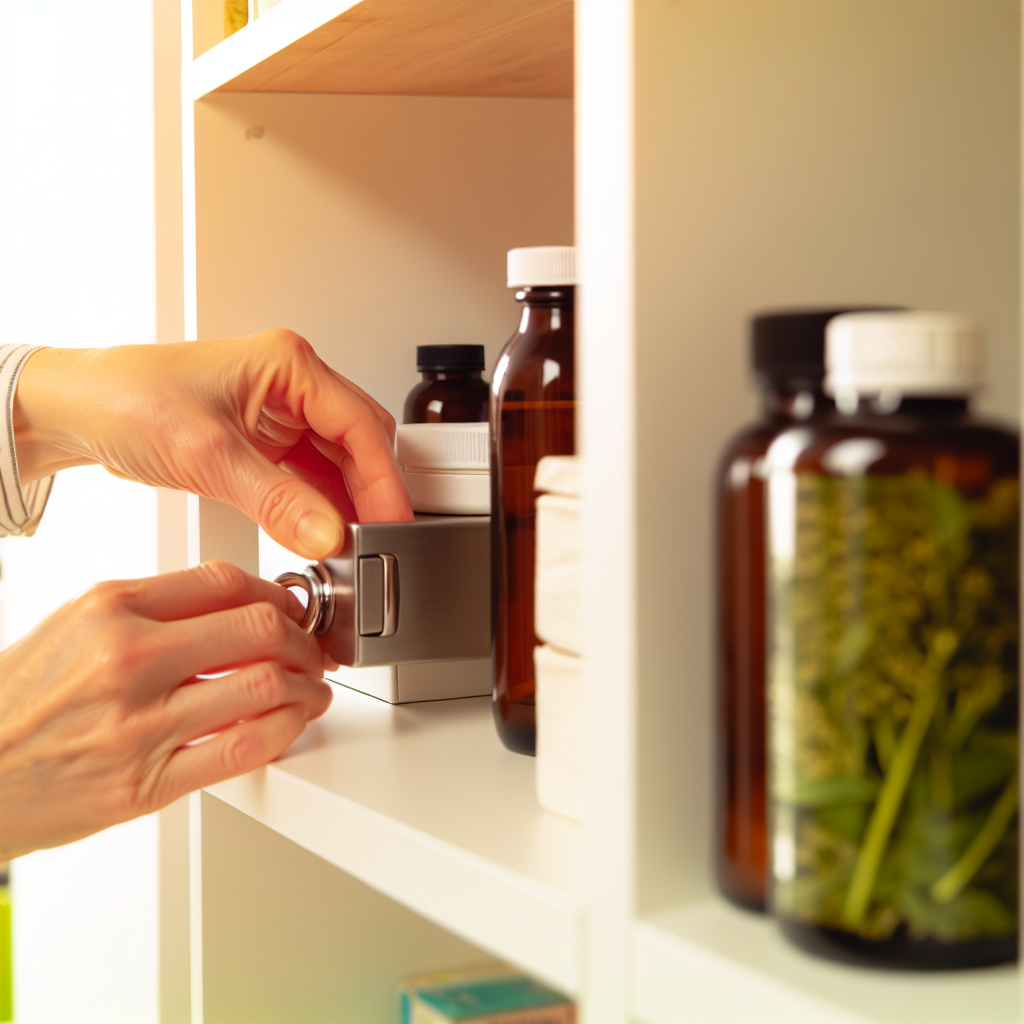
No matter your personal views, child safety is non-negotiable when discussing cannabis and parenting. Products like edibles, concentrates, or tinctures should be stored securely—locked, clearly labeled, and kept far from children’s reach.
Use lockable stash boxes or childproof safes from brands like Herb Guard and Cannador. Many products are sold in child-resistant packaging, especially in regulated states like Massachusetts and Oregon, but once that packaging is opened, it’s up to parents to secure storage properly.
Consider your child’s age when choosing storage methods. For toddlers and preschoolers, elevate items to high locations. For older children and teens, use keyed lockboxes and reinforce boundaries through open, age-appropriate conversations about safety and responsibility.
Legal Guidelines Vary by State
Cannabis laws in the U.S. differ significantly by state, making it essential for parents to know the local legal landscape. Responsible cannabis and parenting practices must include legal literacy. Here’s how rules can differ:
- California (Prop 64): Adult use is legal, but visible consumption around minors or secondhand exposure can prompt scrutiny.
- Colorado: Cannabis must be securely stored, and visible impairment near children could raise red flags with child welfare investigators.
- Texas: Cannabis remains illegal. Even some hemp-based products like Delta-8 could result in criminal charges or legal consequences for parents.
- New York: Recreational cannabis is legal, but public consumption and housing laws may restrict certain use scenarios.
Stay current with your state’s cannabis laws, especially concerning child custody, housing, and consumption in private versus public spaces. When possible, document your safety measures and consult with legal professionals if you’re unsure about your risks as a cannabis-using parent.
Choosing Low-Impact Cannabis Products
Parents who consume cannabis often seek functionality over intoxication. They want to relax, reduce anxiety, or ease physical discomfort while remaining present and capable. Product selection and dosage impact that balance.
- Low-dose edibles: Look for options with 2.5–5mg of THC per serving, such as Kiva Petra Mints or PLUS Gummies. These offer gentle effects suitable for winding down at the end of the day.
- CBD-rich vapes or tinctures: Strains like Ringo’s Gift or ACDC, with CBD levels exceeding 15%, provide calming properties without psychoactive intensity.
- Balanced THC:CBD products: A 1:1 or CBD-forward ratio, such as Care By Design’s 18:1 softgels, provides stress relief while minimizing impairment.
- Low-THC flower: Microdosing flower under 15% THC, with relaxing terpenes like myrcene and beta-caryophyllene, allows for a manageable experience when smoking or vaping.
Consider timing and onset: vaporizing takes effect quickly and wears off sooner, while edibles can last several hours. Many parents choose to consume after bedtime, selecting quick-onset methods that fit within their family routines and priorities.
Supporting Balance Through Terpenes and Strain Profiles
As part of creating an intentional cannabis routine, understanding terpenes helps parents select products aligned with their emotional and physical needs. Terpenes are aromatic compounds responsible for nuanced effects, from calmness to creativity.
- Limonene: Found in citrus-scented strains like Durban Poison or Super Lemon Haze, limonene can elevate mood and reduce stress with minimal sedation.
- Linalool: Common in Amnesia Haze and Do-Si-Dos, this lavender-like terpene promotes deep relaxation and is ideal for nighttime use.
- Beta-caryophyllene: Present in Gelato and Girl Scout Cookies, this soothing, peppery terpene is known for its anti-inflammatory properties and emotional balance.
Avoid high-pinene or THC-dominant strains late in the day, as they may cause stimulation, anxiety, or restlessness. Strains designed for calm and clarity fit best into the lifestyle of mindful, engaged parents.
How to Talk to Your Children About Cannabis
Communication is critical in building understanding between cannabis-using parents and their children. Like conversations about alcohol or medication, cannabis education should be age-appropriate and focused on health and safety.
For younger children: “This is something adults use to relax or for health reasons. It’s not safe for kids, so we keep it locked away.” This affirms boundaries while reducing fear or confusion.
With teenagers, be more direct. Talk about brain development, legal age requirements, and the effects of cannabis use. Emphasize informed choices, consequences, and safety. By creating open dialogue, you foster trust and empower your children to ask questions without fear of punishment or shame.
Creating a Personal Cannabis Routine That Works for You
Intentional cannabis and parenting practices often involve experimentation, observation, and reflection. Microdosing sativa before a walk, using an indica tincture before bed, or applying CBD topicals after a long day of parenting are all examples of routines rooted in wellness.
Talk to your budtender—let them know you’re a parent looking for specific outcomes. They may recommend cultivars like Harle-Tsu for gentle focus or Blue Dream for light, uplifting effects.
Track your experiences in a journal to identify patterns and preferences. Consider where and how you consume—discreet, at-home options may feel more appropriate than public consumption. Ask about product bundles or low-dose starter kits designed for daily use without strong intoxication.
The Future of Cannabis and Parenting
Today’s parents are redefining cannabis culture with intentionality and care. From integrating CBD salves into bedtime routines to choosing low-dose THC beverages like CANN or Artet at social gatherings, they’re creating a new normal for responsible use.
The conversation around cannabis and parenting doesn’t end here—it evolves with every experience, every product advancement, and every changed perception. By staying informed, parents can navigate this space with confidence, safety, and openness for themselves and their families.