CRU Cannabis sells packaged flower and pre-rolls through licensed California dispensaries. Its inventory changes by retailer, harvest, and production batch. Before buying, compare package dates, label details, and batch-specific certificates of analysis.
This review examines the brand’s public product presence and the information shoppers can verify at licensed retailers. It does not rely on hands-on testing of every product. Product categories and availability can change, so confirm current details with the brand, retailer, and California Department of Cannabis Control (DCC).
CRU Cannabis Review: At a Glance
CRU has its clearest retail presence in California’s regulated cannabis market. Retailers most often list packaged flower and pre-rolls. However, shoppers should confirm the current selection instead of relying on an old menu page.
Licensed California dispensaries and delivery services can sell these products to eligible customers. Adult-use buyers must be at least 21 years old. Medical customers must meet California’s separate requirements.
CRU does not operate as a national dispensary chain. A similarly named product in another state may come from a different supply chain. Federal law also prohibits interstate cannabis shipping, including between states with legal adult-use markets.
| Review point | What shoppers should know |
|---|---|
| Primary market | California; confirm the current footprint through the brand and state license records |
| Core formats | Packaged flower and pre-rolls appear most consistently at retailers |
| Strain selection | Selection changes by batch, production run, and store inventory |
| Quality evidence | Recent dates, intact packaging, traceable batch details, and a matching laboratory report |
| Pricing | Retailers set prices based on size, freshness, promotions, and local taxes |
| Where to buy | California-licensed storefront dispensaries and licensed delivery retailers |
Strains and Product Selection
CRU does not maintain a dependable permanent strain list. Cannabis brands change cultivars as harvests finish and retailers sell through inventory. Dispensary websites may also preserve listings for products that are no longer available.
A menu listing cannot prove that two batches with the same strain name will perform alike. Aroma, cannabinoid content, moisture, and smoking characteristics can change between harvests. Start with the package label and batch information instead of a historical strain list.
Check the cultivar name, package date, cannabinoid results, and ingredient statement. The package should also include information that connects it to a production batch. If staff cannot confirm the product’s age or batch, consider another option.
Why Strain Names Have Limited Value
The cannabis industry does not standardize strain names like many agricultural industries standardize recognized cultivars. Different producers may use the same name for plants with different genetics. Cultivation methods, harvest timing, drying, curing, and storage also affect the finished flower.
Ask the retailer whether CRU supplied lineage information for the specific batch. You can also request the batch’s terpene results. Use laboratory data rather than generic strain descriptions copied from other websites.
Terms such as “indica,” “sativa,” and “hybrid” offer broad merchandising categories. They do not reliably predict an individual’s response. Tolerance, potency, medications, setting, and personal biology all influence the experience.
Treat claims such as relaxing, uplifting, or creative as subjective descriptions rather than medical guidance. Anyone using cannabis for symptoms should consult a qualified healthcare professional. That discussion should include medications, health history, and the chosen method of use.
Flower
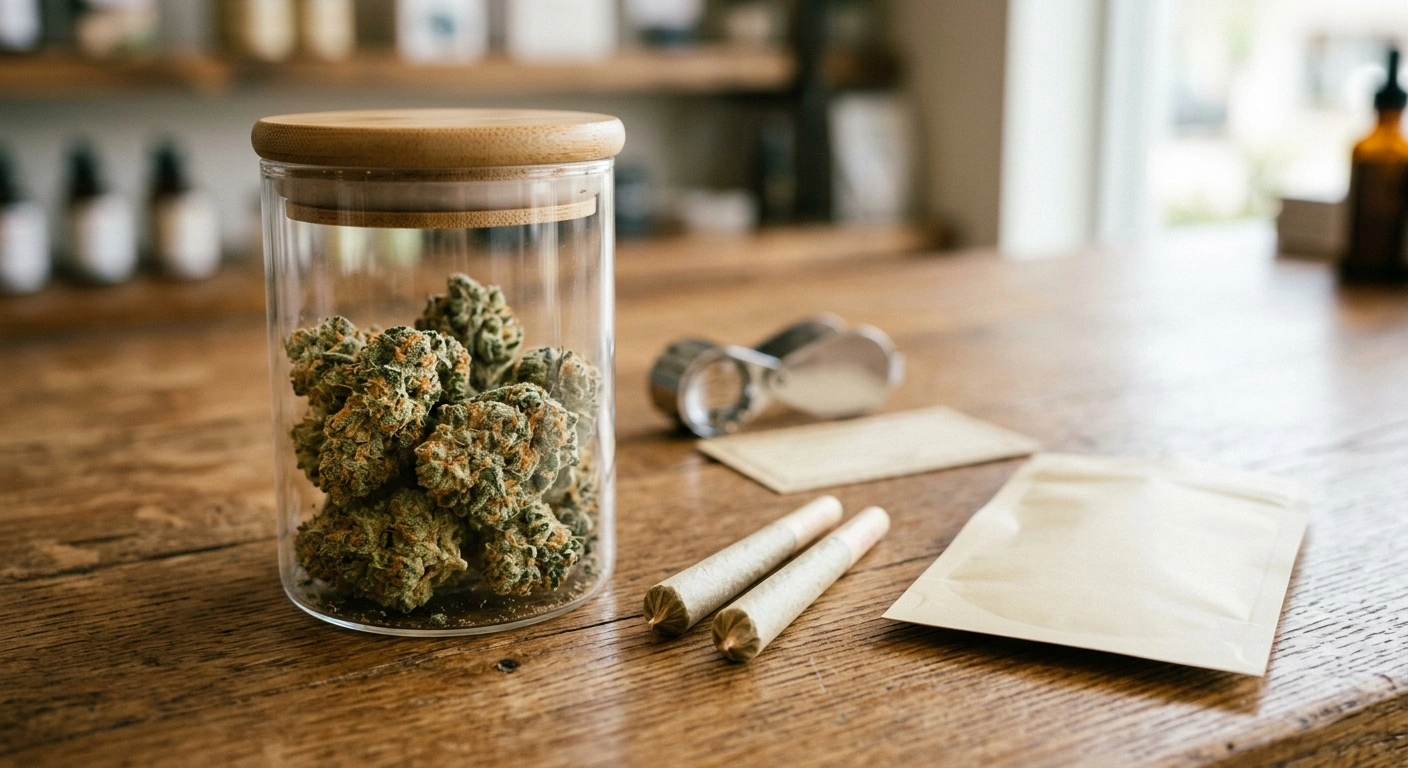
Whole flower gives shoppers more information about structure, trim, trichomes, and moisture. However, sealed or opaque packaging may prevent inspection before purchase. In that case, the date and laboratory report carry more weight.
Avoid flower with a musty, ammonia-like, or damp-basement odor. Those smells may indicate poor storage or microbial growth. A strong hay or cut-grass smell may point to rushed drying or curing, although aroma alone cannot establish safety.
Pre-Rolls
Pre-rolls offer convenience, but ground cannabis hides much of the material’s condition. Check the net weight and ingredient list. The label should state whether the product contains plain flower, concentrate, or other cannabis ingredients.
Infused pre-rolls can contain far more THC than flower-only joints. Read the full potency panel before use. Do not assume that two pre-rolls of equal weight have similar strength.
Construction affects value too. An uneven pack, damaged paper, loose filter, or restricted airflow can cause a poor burn. Keep the receipt and ask the dispensary how it handles defective regulated products.
How to Judge Product Quality
A brand name cannot overcome stale inventory or poor storage. Evaluate each batch through freshness, packaging, regulatory information, and material condition. Potency matters, but it does not serve as a complete quality score.
California requires compliance testing for cannabis sold through its licensed system. Still, a passing result cannot guarantee good aroma, curing, or smoking characteristics. It also cannot replace a careful check that the laboratory report matches the package.
A sound batch combines compliant production, careful post-harvest handling, accurate labeling, and proper storage. Compare products with similar dates and formats. That approach gives a fairer picture than comparing THC percentages alone.
Read the Label and Certificate of Analysis
The label should identify the product type, net quantity, cannabinoid content, and batch or lot details. It should also carry California’s required warnings and other mandated information. Reject packages with broken seals, missing identifiers, or altered labels.
Ask the retailer for the certificate of analysis (COA) tied to the batch. Match the report’s batch identifier to the package. The report should also name the licensed testing laboratory.
California compliance reports address cannabinoids and required contaminant categories. Depending on the product, these can include pesticides, microorganisms, heavy metals, residual solvents, and mycotoxins. Review the result column instead of relying only on a “tested” statement.
Check every QR code before trusting it. The code should open a report or verification page for that product. A link to the brand’s homepage or a sample report does not verify the batch.
Freshness, Cure, and Storage
The package date offers a useful starting point when comparing flower. Older cannabis does not automatically become unsafe. However, it often loses aroma, dries out, and becomes harsher over time.
A recent package date does not always indicate a recent harvest. Ask for harvest information if freshness matters to you. Then compare it with the package date and current condition.
Well-cured flower usually feels resilient rather than wet or powder-dry. It should break apart without immediately turning to dust. Stems should not feel soft or unusually pliable from excess moisture.
Reject flower with fuzzy growth, web-like material, unexplained white patches, or a persistent musty smell. Do not try to remove visible mold and use the remaining material. Contamination can extend beyond the area you can see.
Large buds are not automatically stronger or cleaner than smaller pieces. Purple color and visible trichomes may look appealing, but neither replaces testing. Complete labels, sound storage, and a matching COA provide better evidence.
Pricing and Overall Value
CRU Cannabis has no single reliable retail price because each dispensary sets its own menu. Package size, cultivar, store markup, taxes, and promotions can change the total. Delivery orders may also include minimums or service fees.
Old menu prices make poor benchmarks. They may exclude taxes or reflect clearance discounts. Compare the final checkout price rather than the first figure shown online.
Check the date before buying discounted flower. A low price may help a retailer clear an older batch. The purchase can still offer value, but only if the condition and price meet your expectations.
Evaluate value through freshness, format, package condition, and verified laboratory information. A high THC percentage does not automatically justify a premium price. Potency testing has normal variation and does not measure cure, aroma, or smoothness.
For pre-rolls, find out what the producer used inside. The material may consist of ground whole flower, smaller pieces, or flower mixed with concentrate. The label should support the retailer’s description.
Where to Buy Legally
Buy CRU products only from a California-licensed dispensary or licensed cannabis delivery retailer. Start with the brand’s current store information, if available. Then verify the seller through the DCC’s online license search.
A map listing, social media page, or third-party directory does not prove that a seller holds a license. Search for the retailer’s legal business name and license number. Confirm that the license remains active before ordering.
Licensed retailers must follow California rules for sourcing, tracking, packaging, age checks, and sales. Adult-use customers must be 21 or older. Bring an accepted government-issued identification document.
Menus change quickly. Call the store or check its live menu before traveling. Ask staff to confirm the exact format, package size, and date rather than asking only whether they carry the brand.
How to Avoid Counterfeit and Unlicensed Products
Unlicensed sellers may use copied packaging, invented potency figures, or unrelated laboratory reports. Buyers also lose access to an accountable retailer if the product proves defective or contaminated. A lower price does not offset those risks.
Verify the dispensary through the DCC rather than trusting its branding. At purchase, inspect the package for California labeling, a traceable batch identity, and an intact seal. Keep the receipt and packaging in case you need to report a problem.
Do not ask a retailer to ship cannabis outside California. Federal law prohibits interstate transport even when the destination permits adult-use cannabis. Federal law also prohibits cannabis possession on federal land.
Use, Storage, and Safety
Inhaled cannabis usually produces effects faster than ingested products. Even so, impairment may last longer than the most noticeable effects. Start with a low amount, wait before using more, and follow the product label.
Never drive or operate machinery while impaired. Combining cannabis with alcohol or other impairing substances can increase risk. Ask a pharmacist or healthcare professional about possible medication interactions.
Edible cannabis can take much longer to produce noticeable effects. Its effects may also last considerably longer. Do not take another serving simply because the first dose has not taken effect.
High-potency products can increase anxiety, disorientation, and severe impairment. Frequent use also raises the risk of cannabis use disorder. Cannabis may worsen psychosis risk in people with certain personal or family histories.
Frequent users who develop repeated nausea and vomiting should seek medical care. These symptoms may indicate cannabinoid hyperemesis syndrome. A clinician can assess other possible causes and recommend treatment.
People who are pregnant or breastfeeding should avoid cannabis. Employers may still test for cannabis under applicable policies and laws. Federal firearm restrictions also apply to cannabis users, although courts continue to review related legal challenges.
Keep products in their original packaging. Store them away from heat, direct light, and excess humidity. Lock all cannabis away from children and pets.
For accidental ingestion, call Poison Control at 1-800-222-1222. Call 911 for severe symptoms, including breathing difficulty, a seizure, or loss of consciousness.
Who CRU Is Best For
CRU may suit California adults who find a fresh, clearly labeled batch at a licensed retailer. The brand primarily appeals to shoppers seeking packaged flower or convenient pre-rolls. It will suit them less if they expect a permanent strain catalog or identical products across states.
Do not use the brand name alone to rate every product as premium, average, or poor. A promising purchase has intact packaging, transparent dates, a matching COA, and competitive local pricing. Pass on old, damaged, or poorly documented packages.
Medical consumers should treat strain-based effect claims with care. Dispensary cannabis products are not FDA-approved treatments for disease. Exceptions include specific FDA-approved cannabinoid and synthetic THC medicines prescribed for limited uses.
Discuss symptom management, medication interactions, and inhalation risks with a qualified healthcare professional. Bring the product label or laboratory report when possible. Those details can support a more informed conversation.
What to Check Before Buying
Watch the brand’s current licensed-market footprint and its batch information. California’s taxes, testing rules, and retailer licenses can change. Use current DCC records instead of an archived review.
Do not automatically confuse licensed marijuana products with hemp-derived THC or THCA items. These products can operate under different and changing rules. Their packaging may also look similar despite different supply chains.
At the dispensary, verify five points: the seller’s license, product format, date, laboratory report, and final price. This process supports a more useful CRU Cannabis review than strain reputation or THC percentage alone. Consider a fresh, documented, fairly priced batch, and reject products that lack those basics.