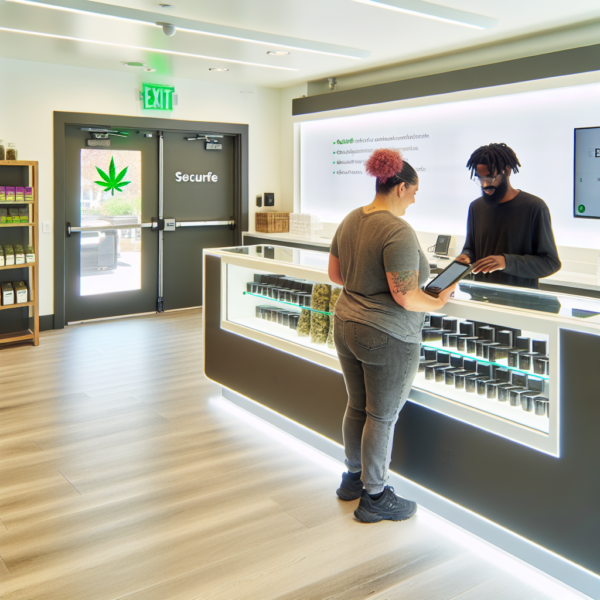
Illinois marijuana laws have evolved rapidly since adult-use cannabis became legal in January 2020. The state made history as the first to legalize recreational sales through the legislature. Today, Illinois hosts a growing cannabis industry that welcomes both local residents and visitors. Whether you’re navigating legal limits, looking for trusted dispensaries, or comparing medical to recreational use, understanding Illinois marijuana laws ensures a safe and legal cannabis experience.
Legal Status of Marijuana in Illinois
As of 2024, Illinois marijuana laws permit both recreational and medical cannabis use. Adults 21 and older may legally buy and possess cannabis products from licensed dispensaries. However, your residency status affects how much you can carry.
- Illinois Residents: May possess up to 30 grams of cannabis flower, 5 grams of concentrate, and 500 mg of THC in infused products.
- Non-Residents: Are limited to 15 grams of flower, 2.5 grams of concentrate, and 250 mg of THC in edibles.
Although cannabis is legal statewide, federal law still prohibits its use. As a result, using marijuana on federal property like military bases or in national parks remains illegal. The same applies to professions regulated under federal guidelines, such as aviation or transportation. Stay informed to avoid legal conflicts.
Buying Cannabis in Illinois: Dispensary Basics
All cannabis dispensaries in Illinois are licensed by the Illinois Department of Financial and Professional Regulation (IDFPR). There are adult-use dispensaries, medical-only outlets, and hybrid locations that serve both markets. Medical patients often receive priority service and product access at dual-use locations.
Cities such as Chicago, Springfield, Rockford, and Champaign feature dozens of dispensaries. In Chicago, major names include Sunnyside by Cresco Labs, Verilife, and Zen Leaf. When visiting any dispensary, keep the following in mind:
- Bring a valid government ID showing you are at least 21, or carry your medical card if you’re a patient.
- Understand purchase limits; they align with possession amounts.
- Consult trained budtenders for product suggestions based on your needs and tolerance level.
Expect a wide product range at most Illinois dispensaries. Options include flower, pre-rolls, edibles, tinctures, vapes, topicals, concentrates, and infused drinks. Local brands like Arise offer premium strains such as Tropicana Cookies (sativa-dominant, citrus-forward) and Gelato #33 (a balanced hybrid with uplifting effects).
Medical Cannabis vs. Adult-Use: Key Differences
Illinois launched its medical cannabis program in 2014 under the Compassionate Use of Medical Cannabis Program Act. Patients suffering from conditions like PTSD, epilepsy, cancer, or chronic pain can apply for a state-issued medical card. Both markets offer access to cannabis, but the benefits differ.
- Tax Rates: Medical cannabis incurs just a 1% sales tax. Recreational products may be taxed up to 34.75% based on THC content.
- Product Access: Medical patients get priority for certain items, including high-dose products and limited-availability strains.
- Home Cultivation: Qualified medical patients can grow up to five cannabis plants per household. Recreational users cannot grow marijuana legally at home.
If you use cannabis regularly for health conditions, switching to the medical program could offer savings and more consistent access to therapeutic products.
Possession, Use, and Transport: Follow the Rules
While Illinois marijuana laws are among the most progressive, they still include restrictions on where and how cannabis can be consumed. Following the rules ensures safe, legal use.
- Consumption is legal in private residences or licensed cannabis lounges. Several are in Chicago, with more expected soon.
- Public use is illegal, including parks, vehicles, sidewalks, and school zones—even for medical cardholders.
- Employers, property owners, and universities may enforce their own drug use policies, limiting permitted use on-site.
When transporting cannabis, keep products in sealed containers secured in the trunk or glove compartment. Never use cannabis while driving. Illinois law enforces a THC blood level threshold of 5 nanograms per mL for DUI enforcement, so plan ahead to avoid impaired driving.
Understanding Safe Use and Responsible Dosing
Legal access means a wide array of products—but understanding dosing is essential. Onset times and duration vary widely across product types, so choose wisely and use caution, especially if you’re new to cannabis.
- Edibles: Start with 2.5 to 5 mg of THC. Effects can take up to two hours to peak and last four to six hours.
- Inhalables: Flower and vapes work fast—effects arrive within minutes. Begin with one or two puffs.
- Tinctures: Use sublingually for faster impact or mix into food. Effects usually begin within 15–45 minutes.
Your strain selection also influences your experience. Common effects are linked to terpene profiles:
- Indica-dominant strains like Bubba Kush or Blueberry offer relaxing effects and are ideal for nighttime use.
- Sativas such as Super Lemon Haze deliver energy and focus, often preferred during the day.
As always, “start low and go slow.” Gradually increasing your dose helps prevent negative effects like anxiety or over-sedation, especially with edibles or concentrates.
Social Equity and Expungement Programs in Illinois
Illinois marijuana laws include some of the nation’s most robust social equity initiatives. The Cannabis Regulation and Tax Act emphasizes restorative justice and industry inclusion for communities deeply affected by cannabis prohibition.
- Social Equity Applicants (SEAs): Individuals from disproportionately impacted areas or those with minor cannabis convictions qualify for reduced licensing fees and application support.
- Restore, Reinvest, and Renew (R3): This program allocates cannabis tax revenue to fund community services, violence prevention, and job training.
The state’s Cannabis Expungement and Pardon Program is also reshaping lives. By 2023, more than 800,000 cannabis-related records had been cleared, giving thousands of residents a fresh start. Illinois’ approach to cannabis reform continues to serve as a model nationally.
Future of Cannabis in Illinois
The landscape of Illinois marijuana laws remains dynamic. Legislators are currently reviewing proposals to:
- Allow all adults—not just medical patients—to grow cannabis at home.
- Lower adult-use tax rates to improve affordability and competitiveness.
- Increase the number of legally licensed consumption lounges statewide.
At the same time, the cannabis industry is refining product innovation. Upcoming trends include faster-acting nanoemulsion edibles, terpene-tailored formulations, and broader access to therapeutic cannabinoids like CBG and THCV. Staying informed helps consumers make smart decisions as the market matures.
Whether you’re enjoying a full-spectrum vape by Revolution Cannabis, sipping a microdosed drink from Good News, or treating a condition with RSO oil from Nature’s Grace and Wellness, understanding Illinois marijuana laws positions you for a safe and rewarding cannabis journey in the Prairie State.