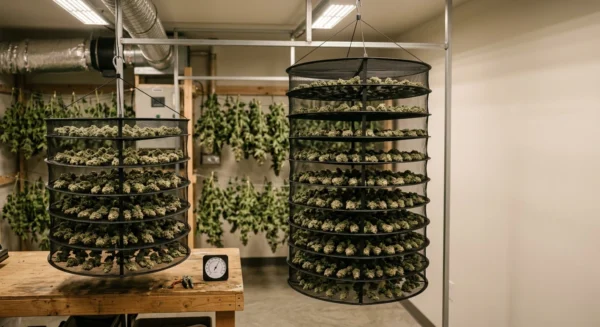
Minnesota marijuana laws have seen rapid developments as the state has embraced recreational cannabis use. The journey towards legalization is crucial for residents and businesses navigating this evolving landscape. This article explores the timeline of these laws, highlights key legal provisions, and examines home growing regulations.
Minnesota Marijuana Laws: A Path to Reform
The story of cannabis legalization in Minnesota includes legislative milestones, community discussions, and changing social norms. As of August 2023, the state is among the growing number in the U.S. that have legalized recreational marijuana. This pivotal change impacts both consumers and businesses wanting to align with the new legal framework.
In May 2023, Minnesota passed SF123, a key piece of legislation for recreational marijuana legalization, going into effect in August. The law permits adults aged 21 and over to purchase, possess, and consume cannabis legally. This reflects broader legislative trends in states like Colorado and California.
Key Aspects of Minnesota Marijuana Laws
Understanding Minnesota’s marijuana laws is essential for legal compliance. Adults are allowed to publicly possess up to two ounces of cannabis flower and up to ten pounds at home. These limits support personal use while discouraging excessive stockpiling associated with illegal trade.
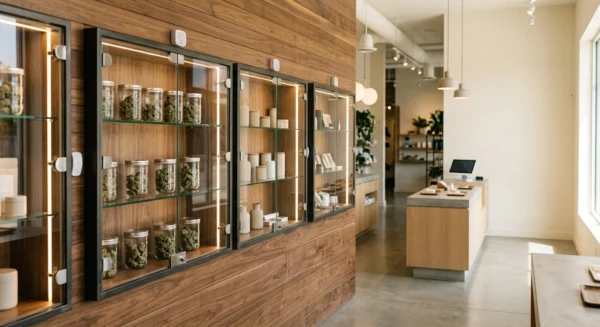
Consumers can purchase cannabis legally from licensed dispensaries. As Minnesota prepares to open its first state-regulated stores, individuals should explore the variety of product forms like edibles, concentrates, and topicals that cater to different preferences.
Home Growing Regulations in Minnesota
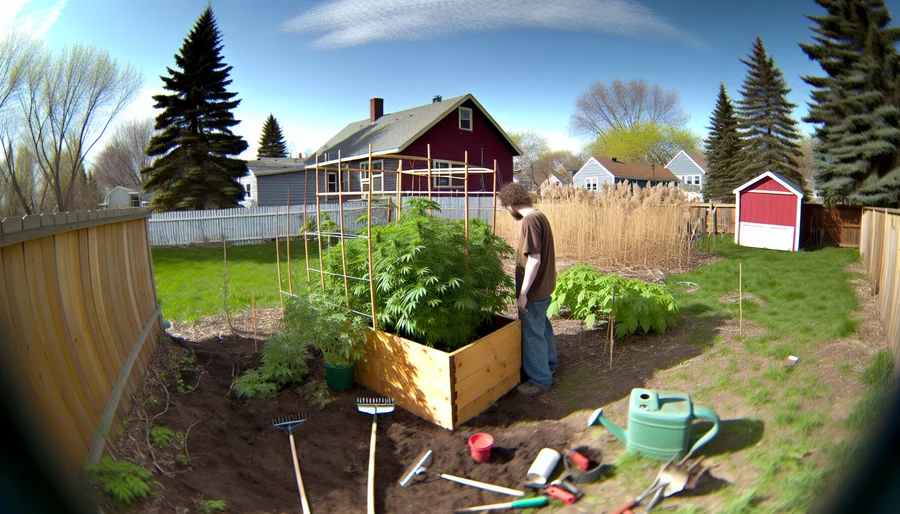
Residents interested in growing cannabis can cultivate up to eight plants per residence, with a maximum of four maturing at once. This opportunity allows personal growers to explore cannabis cultivation and access specific strains that may not be available in stores.
Successful home cultivation involves selecting resilient strains, such as Northern Lights or Blue Dream, understanding light cycles, and maintaining quality control. Growers should pay attention to pest prevention, humidity, and nutrient management to ensure healthy plants.
Selecting the Ideal Strain for Minnesota Consumers
Choosing the right cannabis strain can be challenging for newcomers and those transitioning from medical use. Minnesota’s market offers a wide array of strains, each with unique cannabinoid profiles. For therapeutic use without intense effects, strains like Harlequin and ACDC provide balanced CBD-to-THC ratios.
Those seeking a potent experience can try strains like Gorilla Glue or Girl Scout Cookies, known for high THC levels and complex terpene profiles. The terpene myrcene, with its earthy aroma, is noted for potential calming effects.
Legal Guidance and Responsible Consumption
Although Minnesota marijuana laws permit legal cannabis engagement, responsible use is crucial. Public consumption is prohibited, and driving under the influence remains illegal and unsafe. Complying with these regulations promotes safety and well-being.
Understanding individual tolerance is essential, especially when using potent products or edibles. Starting with low doses and increasing as needed can help manage effects and avoid adverse experiences.
Opportunities in Minnesota’s Cannabis Market
As Minnesota’s cannabis industry grows, it presents opportunities for entrepreneurship and community involvement. Prospective business owners must prepare for strict licensing and equity-based initiatives promoting an inclusive market. Dispensary staff play a key role in educating consumers and guiding informed decisions.
Consumers and enthusiasts can benefit from educational workshops, strain sampling events, and dispensary tours offering valuable insights into product selection and responsible consumption practices.
Overall, Minnesota marijuana laws provide more than just legal access; they create gateways to a community experience backed by knowledge, legality, and personal freedom.