The evolving relationship between cannabis and modern medicine is redefining therapeutic care across the United States. With new research emerging and public perception shifting, cannabis has moved from criminalized taboo to a respected adjunct in clinical treatment. Whether addressing chronic pain, PTSD, or sleep disorders, cannabinoids are steadily being integrated into both personalized wellness plans and established medical protocols.
This guide explores how cannabis is transforming modern healthcare—from its science-backed interactions with the human body to its legal framework and product formats. Whether you’re a curious patient, caregiver, or practitioner, discover how medical cannabis is influencing the future of medicine.
Scientific Foundations: How Cannabis Interacts with the Human Body
To grasp how cannabis and modern medicine align, we must begin with the endocannabinoid system (ECS). This critical regulatory network affects mood, sleep, inflammation, pain, appetite, and immune function. Cannabinoids like THC (tetrahydrocannabinol) and CBD (cannabidiol) bind with ECS receptors—CB1 in the brain and CB2 in the immune system—triggering various physiological responses.
Medical cannabis often emphasizes non-intoxicating components such as CBD due to their favorable safety profile. For instance, the FDA-approved drug Epidiolex (derived from isolated CBD) treats Dravet and Lennox-Gastaut syndromes with measurable efficacy. Meanwhile, THC is carefully dosed for issues like severe nausea or appetite loss in cancer and HIV/AIDS patients.
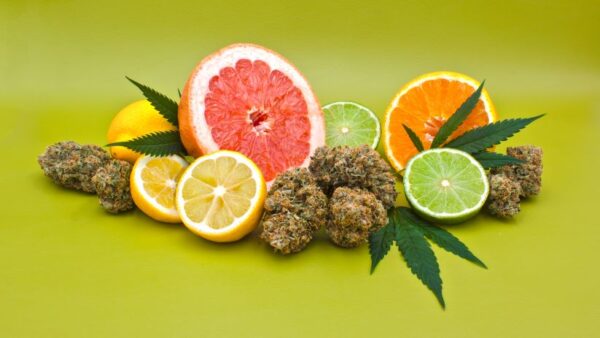
Terpenes, the aromatic compounds in cannabis, also affect outcomes. Myrcene, common in indica strains like Granddaddy Purple and Northern Lights, offers muscle relaxation. Uplifting strains rich in limonene—Super Lemon Haze and Durban Poison—can ease anxiety and boost mood, underscoring the plant’s nuanced benefits.
Medical Conditions Commonly Treated with Cannabis
Clinical interest in cannabis continues to expand, supported by emerging studies and patient experience. The following health issues are frequently managed with cannabinoid-based therapies:
- Chronic Pain: Balanced strains like Harlequin combine THC and CBD for relief from arthritis, fibromyalgia, and nerve pain. Topicals and low-dose edibles deliver extended benefits without smoke inhalation.
- PTSD and Anxiety: CBD-rich options such as Charlotte’s Web and ACDC promote relaxation without intoxication. A 1:1 THC:CBD tincture often supports emotional balance while minimizing psychoactivity.
- Sleep Disorders: Sedating strains like Bubba Kush or 9 Pound Hammer encourage restful sleep. CBN-infused edibles are gaining traction as nighttime aids.
- Epilepsy: High-CBD, low-THC remedies—including Epidiolex and full-spectrum oils—help manage seizures in both adults and children. Accessibility depends on state law and physician approval.
- Chemotherapy Support: THC-heavy formulations such as Rick Simpson Oil (RSO) help control nausea, stimulate appetite, and reduce treatment-related stress.
Medical Cannabis vs. Adult-Use: Key Differences
Although both types may share chemical profiles, cannabis and modern medicine differ significantly from recreational use. Medical cannabis is lab-tested, highly regulated, and specifically designed to manage symptoms, not induce euphoria.
States like California, Arizona, and Pennsylvania offer medical patients higher potency limits, lower taxation, and personalized care options. For instance, Florida permits cannabis solely for registered medical users, whereas Colorado has parallel systems for both recreational and medicinal access.
Medical dispensaries prioritize therapeutic outcomes with precise labeling. Products may feature ratios like 20:1 (dominantly CBD) or 1:1, along with terpene profiles and dosing guides. Budtenders with healthcare training can assist in selecting suitable formats tailored to the patient’s condition.
Popular Forms of Medical Cannabis and How to Use Them
A broad spectrum of cannabis formats makes it easier to customize treatment plans based on dosing needs and comfort levels. Here are the most common medical cannabis forms:
- Capsules/Tablets: Reliable and discreet. Brands such as Dosecann and Dixie offer timed-release options with consistent dosing.
- Tinctures: Absorbed sublingually, tinctures provide fast relief—often within 20 minutes. Ideal for precision with titles indicating cannabinoid ratio and concentration per drop.
- Topicals: Non-intoxicating creams and balms, such as Papa & Barkley’s Balm, offer localized pain relief from arthritis and injury-related inflammation.
- Inhalables: Vape pens and dried flower provide rapid relief great for acute anxiety or flare-ups. Start small—just one or two puffs may be sufficient.
- Edibles/Beverages: With longer-lasting effects, these formats are great for sustained symptom management. Begin with microdoses of 2.5–5mg THC and increase only as needed.
New consumers are encouraged to begin with low-dose cannabinoid formats to avoid overstimulation. Some companies now offer “mini” edibles and low-strength tinctures ideal for cautious daytime use.
Legal Access to Medical Cannabis in the U.S.
The union of cannabis and modern medicine is shaped by state-specific legislation. As of 2024, 38 states and Washington D.C. have legalized medical cannabis, while 24 also permit adult-use consumption.
Patients in New York can access cannabis via telemedicine and maintain a digital certification card. In contrast, Texas limits access to sub-1% THC formulations for qualifying conditions like spasticity and epilepsy. Local laws govern purchase limits, product types, and certification protocols.
Before visiting a dispensary, review your state’s medical cannabis laws. Some like Illinois and Michigan offer reciprocity, allowing out-of-state patients limited access. Many professional dispensaries employ staff pharmacists or cannabis-credentialed nurses for safe onboarding.
Expert Tips for Safe and Effective Medical Cannabis Use
As cannabis and modern medicine continue to intersect, patient education becomes essential. Here are expert strategies to maximize therapeutic success:
- Track Your Experience: Logging cannabinoid ratios, product types, and effects helps you identify what works best over time.
- Seek Qualified Guidance: Consult cannabis-informed healthcare providers. Resources like the Society of Cannabis Clinicians can help locate experienced practitioners.
- Start Low and Go Slow: Especially for edibles, begin with 2.5–5mg THC and monitor effects before increasing dosage.
- Know Your Delivery Method: Use tinctures and capsules for consistent, long-term relief; try inhalables for immediate symptom control.
- Check for Drug Interactions: Cannabis may enhance or inhibit medications such as anticoagulants, SSRIs, or sedatives. Always disclose your cannabis use to healthcare professionals.
Understanding product labels is equally important. Choose brands with third-party lab tests, properly labeled THC and CBD percentages, and detailed terpene breakdowns. Some even include QR codes linking to certificates of analysis for better transparency and safety.
Future Outlook: Cannabis and Modern Medicine
The convergence of cannabis and modern medicine is reshaping the healthcare landscape by opening new doors for chronic disease management, mental health support, and symptom relief. As research deepens and regulations shift, medical cannabis is poised to play an increasingly mainstream role in patient care.
Whether you’re a patient, provider, or policymaker, staying informed on the therapeutic potential and responsible use of cannabis ensures better health outcomes. With science, access, and patient voices leading the way, cannabis is becoming a cornerstone of modern integrative medicine.