Diving into cannabis cultivation, you’ll quickly learn that growing your own plants involves more than just seeds and soil. “Cannabis suckers” is a term you’ll encounter. While they might sound like edibles, they refer to unwanted growth on your plants. Understanding what cannabis suckers are, why they appear, and how to manage them is essential for optimizing your grow, whether you’re experienced or a beginner.
Understanding Cannabis Suckers
Cannabis suckers are secondary shoots that form along the plant’s stem, typically sprouting from nodes below the main canopy. These excess branches pull energy away from the primary growth, where you’d prefer your plant to focus its resources. Although they might seem insignificant initially, these suckers can profoundly impact your cannabis plants’ health and productivity.
In terms of plant physiology, cannabis suckers are similar to shoots on other flora. However, managing these suckers in cannabis can mean the difference between a suboptimal yield and a bountiful harvest. They divert essential nutrients and energy, potentially sapping the vigor needed for more productive buds if left unchecked.
Why Do Cannabis Suckers Grow?
The growth of cannabis suckers often occurs due to the plant’s innate survival instincts. In their natural environments, cannabis plants develop additional branches to increase reproduction chances by producing more flower sites, eventually yielding seeds in the wild. For growers focused on maximum flower production or creating seedless (sinsemilla) cannabis, these suckers represent an inefficiency.
Environmental factors like light exposure and plant genetics can also influence cannabis sucker development. For instance, plants that receive uneven light distribution might expand their canopy through side shoots to capitalize on available light. Certain strains are more prone to sucker growth due to their genetic predisposition. Knowing your specific strain and its traits helps anticipate and manage such growths.
Managing Cannabis Suckers Effectively
Effective plant care and cultivation require managing cannabis suckers. Here are some practical steps to guide you:
- Early Identification: Regularly inspect your plants to spot suckers early. Focus on new growth along the main stem and within the plant’s bushy interior.
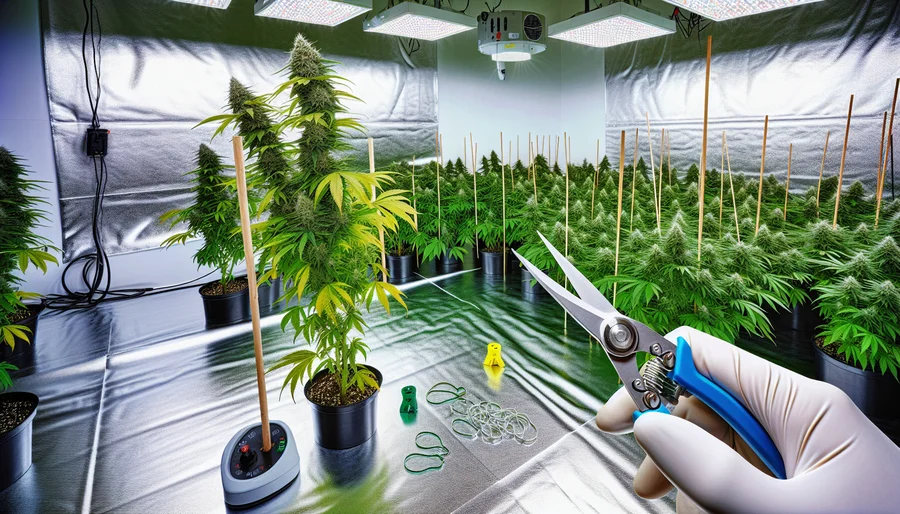
- Pruning Techniques: Use proper pruning to remove suckers. Cleanly cut off these shoots close to the main stem using sterilized scissors or pruning shears to prevent infection.
- Strategic Training: Employ training techniques like LST (Low-Stress Training) to direct plant growth horizontally, naturally preventing or reducing sucker formation.
- Optimize Light Exposure: Adjust your lighting setup for even coverage across the plant’s canopy. A well-lit grow space minimizes extra shoots searching for light.
- Selective Breeding: Choose strains known for structured growth and minimal sucker production. Strains like Northern Lights or Indica-dominant hybrids often display more controllable growth patterns.
- Frequent Trimming: Regular trimming throughout the plant’s life cycle maintains focus on desired nodes instead of unwanted suckers.
Applying these strategies not only helps manage cannabis suckers but also enhances your plant’s overall health and productivity, leading to a flourishing harvest.
Impact of Cannabis Suckers on Yield
Managing cannabis suckers requires effort but can substantially impact your yield. If left unchecked, these suckers may grow vigorously, diverting energy away from larger, more potent buds. For recreational and medical users, a diminished yield due to unchecked growth can affect the potency and quantity of the final product.
Growers facing restrictions, such as plant count limits in places like Colorado or Washington state, will particularly benefit from maximizing each plant’s output. By managing suckers effectively, you ensure that every plant reaches its full potential in both quality and quantity.
Special Considerations and Legal Aspects
Beyond practical horticulture, managing cannabis suckers involves navigating legal landscapes, especially in areas with specific cannabis laws. Different U.S. states impose various restrictions on home cultivation, often including plant count limits. In such cases, optimizing every plant’s growth by managing suckers becomes crucial.
For those in jurisdictions with stringent regulations, maintaining healthy and legal grows is vital for compliance and success. Staying informed about local laws regarding home cultivation ensures your practices align with regulations.
Whether cultivating cannabis for personal use or supplying a small business, efficiently managing cannabis suckers can significantly contribute to success. With a mindful approach, you can harness the full potential of each plant, aligning both legal compliance and optimal yields.