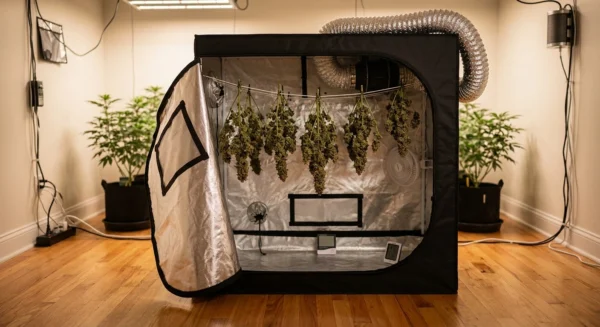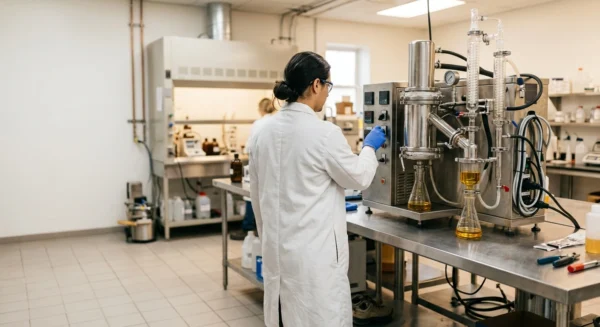
Kentucky marijuana laws are undergoing significant discussion as cannabis policy evolves across the United States. While Kentucky has historically enforced strict regulations, recent progress is notable, especially in the medical domain. As legislative efforts and public opinion shift, let’s examine the current landscape and what residents can anticipate in the near future.
An Overview of Kentucky Marijuana Laws
Kentucky has been traditionally conservative regarding marijuana legislation. Despite its reputation for hemp production, recreational cannabis remains illegal. However, changing public opinion and political momentum have initiated conversations of reform. Currently, Kentucky permits CBD oil for medicinal use under strict guidelines, though wider medical cannabis legalization remains a key topic in the state legislature.
Momentum is building to reform Kentucky marijuana laws, with more residents advocating for medical cannabis access. Recent bills propose a more comprehensive medical marijuana program, targeting conditions like chronic pain, epilepsy, and PTSD, where there’s strong evidence of therapeutic benefits.
The Push for Medical Marijuana Legalization
Advocacy from patients and healthcare professionals has intensified, focusing on more robust medical marijuana laws in Kentucky. Cannabis has shown potential in managing chronic conditions and improving quality of life. For instance, strains such as “Harlequin,” rich in CBD and low in THC, are recommended for pain relief and anxiety without psychoactivity.
Legislators have repeatedly tried to pass bills for legal medical cannabis. These proposals include strict regulatory frameworks to ensure patient safety and prevent misuse, often favoring methods like tinctures and capsules over smoking for better dose control and health outcomes.
What Kentucky Residents Should Expect
Kentucky residents are keenly awaiting developments in marijuana laws, anticipating shifts that could notably influence medical treatments. Should the state follow others’ lead toward inclusive regulations, licensed dispensaries with knowledgeable staff might soon be a reality.
Once medical marijuana is accessible legally, patients will find more local resources to understand cannabinoid profiles and optimal consumption methods. Strains high in the terpene linalool, such as “LA Confidential,” might be recommended for anxiety reduction and better sleep quality.
Education will be vital for patients, caregivers, and the medical community, fostering an understanding of CBD, THC, and the entourage effect of terpenes. As new products like edibles and topicals emerge, guidance on dosing and usage timelines will be essential.
Responsible Consumption and Safety Considerations
With potential changes in Kentucky’s marijuana laws, focusing on responsible consumption and safety is crucial. Educating users to start with low doses and gradually increase will help prevent adverse effects, especially for those new to cannabis. Understanding the distinction between recreational and medical use is also vital for shaping public perception.
Product quality and sourcing are important too. Should medical marijuana become legal, residents must choose reliable dispensaries adhering to state regulations. Well-informed staff will be essential in explaining lab test results that reflect cannabinoid ratios and terpene profiles.
Discussing the implications of cannabis use, particularly regarding driving and operating machinery, will be key to ensuring community safety.
Looking Ahead: The Future of Kentucky Marijuana Laws
As discussions about Kentucky marijuana laws progress, the state seems poised for significant change. Recognizing cannabis’s medical utility is a hopeful step toward broader access. Residents can expect more legislative proposals and possibly a future where medical marijuana becomes as accessible as in other states, offering relief and improved quality of life.
Moving forward will require ongoing advocacy and education, with lessons learned from other states. Kentucky’s journey may just be beginning, but the potential for a more comprehensive medical marijuana program is closer than ever, promising to transform the healthcare landscape for its residents.