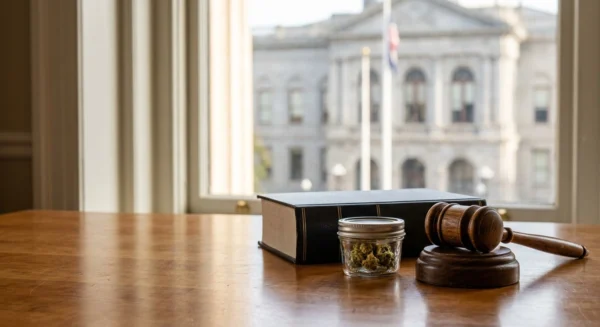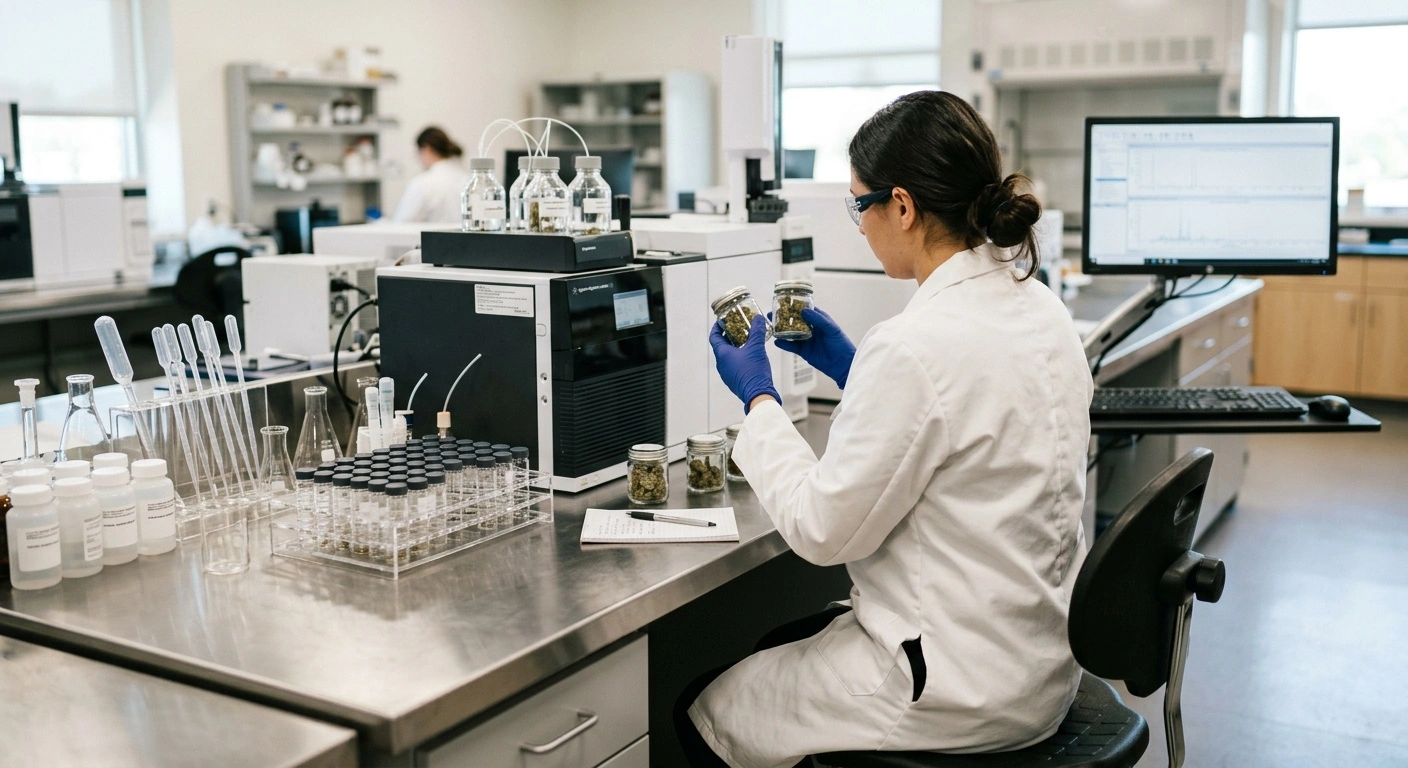
Cannabis lab jobs combine analytical science, quality control, and strict documentation in a regulated industry. Laboratories hire people with backgrounds in chemistry, microbiology, food science, and pharmaceutical manufacturing.
The work requires accuracy and patience. Employees must follow written methods, protect sample integrity, and record each step clearly.
What Cannabis Laboratories Do
Licensed testing laboratories measure the potency and safety of cannabis products. State or local rules determine which tests each laboratory must perform.
Common analyses include cannabinoid potency, pesticides, heavy metals, residual solvents, moisture, and microbial contamination. Some laboratories also test for mycotoxins, foreign material, terpenes, or water activity.
Testing laboratories differ from extraction and product manufacturing facilities. A testing lab evaluates submitted samples, while a production lab may create concentrates or infused products.
Common Cannabis Lab Jobs and Duties
Job titles vary among employers, so candidates should read each description carefully. A “lab technician” role may involve sample preparation at one company and instrument analysis at another.
Sample Receiving Technician
Sample receiving technicians inspect incoming materials and confirm the required paperwork. They enter information into a laboratory information management system and maintain chain-of-custody records.
This position often provides an entry point for candidates with limited instrument experience. Strong organization and careful data entry matter more than advanced chemistry knowledge.
Laboratory Assistant
Laboratory assistants clean glassware, prepare supplies, label containers, and support sample preparation. They may also track inventory and dispose of waste under established procedures.
Employers often seek candidates with basic laboratory training. Experience following standard operating procedures can strengthen an application.
Sample Preparation Technician
Preparation technicians grind, weigh, dilute, and extract samples before analysis. Small errors during this stage can change test results, so precise measurements matter.
Technicians commonly use balances, pipettes, centrifuges, sonicators, and solvent extraction equipment. They must also prevent contamination between samples.
Analytical Chemist
Analytical chemists operate and maintain instruments used for chemical testing. Common platforms include HPLC, GC-MS, LC-MS/MS, and ICP-MS.
These scientists review calibration data, investigate irregular results, and help validate analytical methods. Many employers prefer a bachelor’s degree in chemistry or a related field.
Microbiology Technician
Microbiology technicians test products for yeast, mold, bacteria, and other organisms. Depending on the laboratory, they may use plating methods, PCR systems, or both.
A background in microbiology, molecular biology, or food safety supports this work. Careful aseptic technique helps prevent false results and cross-contamination.
Quality Assurance Specialist
Quality assurance specialists review records, procedures, training files, and corrective actions. They help the laboratory maintain consistent practices and prepare for regulatory inspections.
Some positions favor experience with ISO/IEC 17025, which many testing laboratories use as an accreditation standard. However, accreditation and licensing requirements vary by jurisdiction.
Laboratory Manager
Laboratory managers oversee staffing, workflows, equipment, and compliance. They may also approve data, manage investigations, and communicate with regulators or clients.
Most employers expect several years of laboratory experience for this role. Leadership skills and a strong command of quality systems are also important.
Education and Experience Requirements
Entry-level roles may accept an associate degree, laboratory certificate, or relevant production experience. Scientist and management positions usually require a bachelor’s degree or higher.
Cannabis experience can help, but employers also value work in environmental, pharmaceutical, clinical, and food laboratories. Those industries use many of the same instruments and documentation practices.
Useful technical skills include pipetting, solution preparation, chromatography, mass spectrometry, PCR, and basic statistics. Experience with spreadsheets and laboratory software also helps.
Licensing, Age, and Background Checks
Employment rules depend on the location and type of facility. Jurisdictions may set minimum ages, require employee permits, or conduct background checks.
Workers must follow local rules for handling controlled inventory and laboratory waste. Candidates should review current requirements through the relevant state or local agency.
Applicants should never assume that personal cannabis knowledge replaces scientific training. Laboratories hire employees to produce defensible data, not to judge products by appearance or effect.
Skills Employers Look For
- Attention to detail: Accurate labels, weights, and records protect the validity of each result.
- Documentation: Clear notes allow reviewers to reconstruct what happened during testing.
- Time management: Laboratories often process many samples under fixed reporting deadlines.
- Safety awareness: Staff may handle solvents, compressed gases, acids, and biological materials.
- Troubleshooting: Analysts must recognize instrument problems and unusual quality-control data.
- Communication: Teams need concise updates about delays, errors, and sample concerns.
How to Find and Evaluate Open Positions
Search laboratory websites, general job boards, scientific staffing firms, and state license databases. Professional groups for analytical chemistry and cannabis science may also share openings.
Use specific terms such as “analytical chemist,” “sample preparation technician,” or “quality assurance specialist.” These searches often produce better results than broad industry terms.
Before applying for cannabis lab jobs, confirm that the employer holds the appropriate license. Review the job duties, schedule, pay range, and required credentials before sharing personal information.
Be cautious if an employer avoids discussing safety procedures or expects unpaid technical work. Legitimate laboratories should explain the hiring process and workplace requirements clearly.
How to Build a Strong Application
Tailor your résumé to the instruments and methods in the job posting. Name the equipment you have operated and describe your level of responsibility.
Quantify relevant work where possible. For example, note how many samples you processed per shift or how you reduced documentation errors.
During an interview, prepare to discuss quality control, sample traceability, and laboratory safety. Employers may also ask how you handled an error or an unexpected result.
Do not hide a lack of cannabis experience. Instead, connect your existing laboratory habits to the employer’s testing needs.
Building a Career in Cannabis Laboratory Science
Cannabis lab jobs can lead to careers in analytical science, quality assurance, method development, and laboratory management. The strongest candidates pair technical ability with consistent documentation and sound judgment.
Regulations and testing methods continue to change. Ongoing training helps laboratory workers protect data quality and adapt their skills as standards develop.