Tennessee marijuana laws prohibit recreational cannabis and do not establish a broad medical marijuana program. Possession, sale, cultivation, and impaired driving can lead to criminal charges. This guide summarizes the state rules as of September 2026, but it does not replace legal advice.
Tennessee Marijuana Laws at a Glance
- Recreational marijuana remains illegal.
- Simple possession can result in a Class A misdemeanor.
- Tennessee does not license medical marijuana dispensaries.
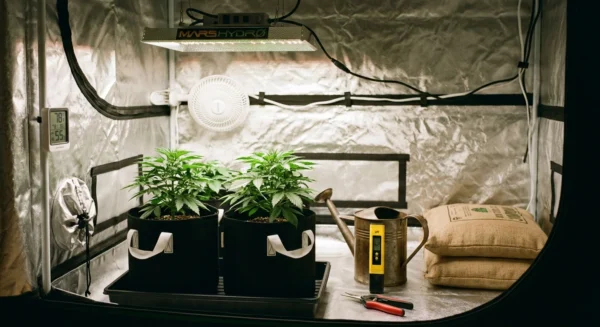
- Growing marijuana at home remains illegal.
- Hemp products follow separate state and federal rules.
- Driving while impaired by cannabis can lead to a DUI charge.
Marijuana Possession Penalties
Under Tennessee marijuana laws, knowingly possessing marijuana for personal use can support a simple possession charge. Tennessee classifies simple possession as a Class A misdemeanor under Tennessee Code Section 39-17-418.
A Class A misdemeanor carries up to 11 months and 29 days in jail. A court may also impose a fine of up to $2,500. The actual sentence depends on the facts, the person’s record, and the outcome of the case.
Police may also seize marijuana and related property as evidence. In addition, a conviction can affect employment, professional licenses, education, and immigration status.
Possession With Intent to Sell or Deliver
Quantity alone does not always prove an intent to sell. However, prosecutors may rely on packaging, scales, cash, messages, or other evidence. Charges involving sale, delivery, or possession with intent usually carry felony exposure.
Penalties increase with the amount of marijuana and the conduct involved. Transactions near certain protected locations may also bring added consequences under Tennessee law.
Drug Paraphernalia
Tennessee separately prohibits possessing certain drug paraphernalia with the intent to use it for illegal drugs. Pipes, grinders, scales, and containers may become evidence depending on their condition and context.
Possession of drug paraphernalia can result in a Class A misdemeanor. Selling or delivering paraphernalia may lead to more serious charges.
Is Recreational Marijuana Legal in Tennessee?
No. Tennessee has not legalized recreational marijuana for adults. The state also does not allow home cultivation for personal use.
Some cities previously adopted local policies that reduced penalties for small amounts. State lawmakers later restricted local governments from creating their own marijuana possession penalties. As a result, statewide criminal law controls these cases.
Does Tennessee Allow Medical Marijuana?
Tennessee does not operate a comprehensive medical marijuana program. It has no state-licensed dispensary network for high-THC medical cannabis. A recommendation or medical card from another state does not authorize possession in Tennessee.
State law provides narrow protections for certain low-THC cannabis oils and specific medical circumstances. These exceptions contain strict requirements and do not give patients general permission to possess marijuana.
Patients should confirm the current rules before buying or transporting any cannabis product. A label that says “medical” does not make the product legal under Tennessee law.
Hemp, CBD, and Hemp-Derived THC Products
Hemp and marijuana fall into different legal categories. Federal law generally defines hemp by its THC concentration, but Tennessee also regulates hemp-derived cannabinoid products at the state level.
CBD products may qualify as legal hemp if they meet applicable testing, labeling, and THC limits. Products containing delta-8 THC, delta-9 THC, THCA, or similar cannabinoids face additional restrictions. Tennessee has revised these rules several times.
Product names do not determine legality.
Lab results, total THC content, package size, retailer licensing, and the buyer’s age can all matter. Consumers and businesses should review current guidance from the Tennessee Alcoholic Beverage Commission and other state regulators before a purchase or sale.
Can You Take Hemp Products Across State Lines?
Interstate travel creates extra risk because state laws differ. A product sold legally in one jurisdiction may violate another state’s rules. Federal restrictions also apply on certain property and during some forms of transportation.
Airports, national parks, federal buildings, and military installations can present separate enforcement issues. Keep products in their original packaging, but remember that packaging does not guarantee legality.
Marijuana DUI Laws
Tennessee can prosecute a driver who operates a vehicle while cannabis impairs the driver’s ability. Officers may rely on driving behavior, field observations, statements, and chemical test results.
A person does not need to smoke while driving to face a DUI investigation. Edibles and other cannabis products can cause delayed or prolonged impairment. Mixing cannabis with alcohol or medication can increase that impairment.
Tennessee’s implied-consent rules may also affect requests for chemical testing. Refusing a lawful test can create separate license consequences.
Can You Bring Marijuana Into Tennessee?
No state-legal purchase elsewhere creates a right to possess marijuana in Tennessee. Bringing marijuana across state lines may also trigger federal concerns, even when both states allow adult use.
This rule applies to flower, edibles, vape cartridges, and concentrates. Travelers should not assume that sealed packaging or a receipt prevents criminal charges.
What to Do After a Marijuana Charge
Do not discuss the facts of the case on social media. Save citations, bond papers, receipts, and any available product packaging. A lawyer can examine the search, the evidence, laboratory testing, and the exact charge.
Some defendants may qualify for diversion, probation, or another case-specific resolution. Eligibility depends on the person’s record and the circumstances. Courts do not grant those outcomes automatically.
Check the Current Rules Before Possessing Cannabis
Because Tennessee marijuana laws continue to change, older articles and product labels may provide unreliable guidance. Check current statutes and agency rules before possessing, selling, or transporting cannabis products.
For advice about a charge or a specific product, contact a Tennessee attorney. Legal status often turns on the substance, THC concentration, quantity, packaging, and intended use.